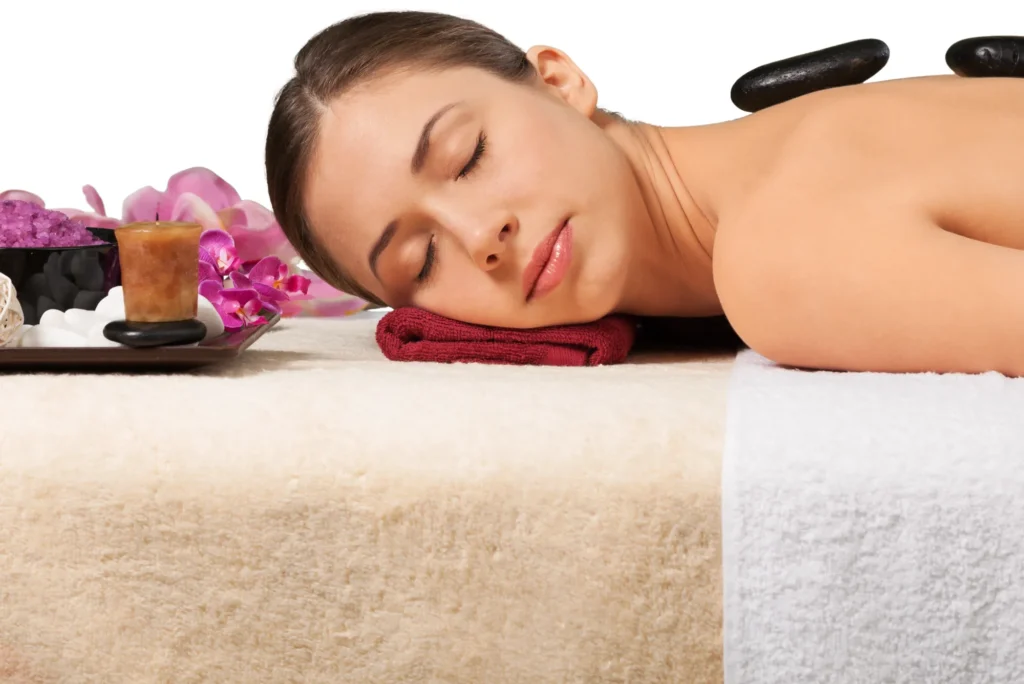
Dubai, a vibrant cosmopolitan hub, attracts people from all corners of the globe, creating a melting pot of cultures, traditions, and languages. For residents and visitors seeking relaxation and wellness, home massage therapy has become a popular choice, offering convenience and personalized care in the comfort of one’s own space. But with Dubai’s diverse population, a common question arises: What languages do home massage therapists in Dubai speak? This article explores the linguistic landscape of home massage therapists in Dubai, why language matters in this industry, and how it enhances the experience of clients seeking Home Massage Dubai services.
The Multicultural Fabric of Dubai
Dubai is home to over 200 nationalities, making it one of the most diverse cities in the world. According to the Dubai Statistics Center, expatriates make up approximately 88% of the city’s population. This diversity is reflected in every sector, including wellness and hospitality. Home massage therapists, who cater to clients in private settings, often come from varied backgrounds, bringing with them a range of languages and cultural expertise.
The ability to communicate effectively is crucial in the massage therapy industry. Clients want to feel understood, whether they’re discussing their preferences, health conditions, or specific needs. A therapist who speaks the client’s language can create a more comfortable and tailored experience, fostering trust and relaxation. Let’s dive into the languages commonly spoken by home massage therapists in Dubai and how they align with the city’s demographic.
Common Languages Spoken by Home Massage Therapists in Dubai
Home massage therapists in Dubai are typically multilingual, reflecting the city’s international character. Below, we explore the most prevalent languages spoken by these professionals, based on the demographics of both therapists and clients.
English: The Universal Language
English is the lingua franca of Dubai, widely used in business, tourism, and everyday interactions. Most home massage therapists in Dubai are fluent in English, as it’s a requirement for working in the city’s service-oriented industries. Whether they’re from the Philippines, India, Thailand, or Western countries, therapists are trained to communicate effectively in English to cater to a broad client base.
For clients seeking Home Massage Dubai services, English fluency ensures clear communication about massage techniques, session duration, and specific requests. It’s especially important for expatriates and tourists who may not speak Arabic or other local languages. English serves as a bridge, making it easier for therapists to explain the benefits of therapies like deep tissue massage, Swedish massage, or aromatherapy.


Arabic: Connecting with Local and Regional Clients
Arabic is the official language of the United Arab Emirates and is spoken by Emiratis and many residents from other Arab countries. While not all home massage therapists are fluent in Arabic, those who are have a significant advantage when serving local clients or those from neighboring countries like Saudi Arabia, Egypt, or Lebanon.
Therapists who speak Arabic can better understand cultural nuances, such as preferences for modesty or specific wellness practices rooted in Middle Eastern traditions. For example, some clients may request Hammam-inspired massage techniques, which require a therapist to understand both the language and the cultural context. Arabic-speaking therapists are particularly valued in Home Massage Dubai services catering to Emirati households or Arabic-speaking expatriates.
Hindi and Urdu: Catering to South Asian Communities
South Asians, particularly from India and Pakistan, form a significant portion of Dubai’s population. Hindi and Urdu, which are mutually intelligible to a large extent, are commonly spoken by home massage therapists hailing from these countries. Many therapists from India, Pakistan, or Sri Lanka bring expertise in Ayurvedic massage, a traditional Indian practice that’s gaining popularity in Dubai.
For South Asian clients, having a therapist who speaks Hindi or Urdu can make the experience more personalized. These languages allow therapists to discuss specific health concerns, such as stress relief or joint pain, in a way that feels familiar and reassuring. This linguistic connection is a key factor in the growing demand for Home Massage Dubai services among South Asian residents.
Tagalog: Serving the Filipino Community
The Filipino community is one of the largest expatriate groups in Dubai, and many home massage therapists come from the Philippines. Tagalog, the basis of Filipino, is a common language among these professionals. Filipino therapists are known for their expertise in therapeutic and relaxation massages, often trained in techniques like Shiatsu or reflexology.
For Filipino clients, a therapist who speaks Tagalog can provide a sense of comfort and cultural familiarity. This is especially important for home massage sessions, where trust and communication are paramount. Tagalog-speaking therapists often work with spa agencies or as freelancers, offering tailored Home Massage Dubai experiences to both Filipino and international clients.
Other Languages: A Global Mix
Dubai’s diversity extends beyond English, Arabic, Hindi, Urdu, and Tagalog. Home massage therapists may also speak languages such as:
Russian: With a growing Russian-speaking community in Dubai, some therapists cater specifically to Russian clients, offering services in their native language.
Mandarin: As Chinese tourists and residents increase, Mandarin-speaking therapists are becoming more common, particularly in luxury spa services.
French: Popular among European expatriates and tourists, French-speaking therapists cater to clients from France, Belgium, or North Africa.
Thai: Many therapists from Thailand bring expertise in Thai massage and speak Thai, appealing to clients seeking authentic Asian massage techniques.
This linguistic diversity ensures that clients from nearly any background can find a therapist who speaks their language, enhancing the overall massage experience.
Why Language Matters in Home Massage Therapy
The ability to communicate in a client’s preferred language goes beyond convenience—it’s about creating a personalized and stress-free experience. Here’s why language plays a critical role in home massage therapy in Dubai.
Building Trust and Comfort
Massage therapy is an intimate service, especially when performed in a client’s home. Clear communication helps establish trust, ensuring clients feel safe and understood. A therapist who speaks the client’s language can explain the process, discuss pressure preferences, and address any concerns, such as allergies to massage oils or specific health conditions.
For example, a client who speaks only Arabic may feel more at ease with a therapist who can explain the benefits of a deep tissue massage in their native language. This level of comfort is essential for relaxation, which is the ultimate goal of any massage session.
Cultural Sensitivity
Language often goes hand-in-hand with cultural understanding. A therapist who speaks a client’s language is more likely to be aware of cultural preferences, such as modesty requirements or traditional wellness practices. For instance, a Hindi-speaking therapist may be familiar with Ayurvedic principles, while a Thai-speaking therapist can incorporate authentic Thai massage techniques, aligning with the client’s expectations.
Enhancing Client Satisfaction
When a therapist communicates effectively, clients are more likely to feel satisfied with the service. They can provide feedback, request adjustments, or ask questions without language barriers. This leads to repeat bookings and positive reviews, which are crucial for therapists in a competitive market like Dubai.
How to Find a Home Massage Therapist Who Speaks Your Language
With so many options for Home Massage Dubai services, finding a therapist who speaks your preferred language is easier than ever. Here are some tips to help you choose the right professional:
Check Online Platforms and Spa Websites
Many spa agencies and online platforms in Dubai allow you to filter therapists by language or nationality. Websites like UrbanClap, Talabat, or dedicated spa services often list the languages spoken by their therapists. Look for profiles that specify fluency in your desired language, whether it’s English, Arabic, Hindi, or another.
Read Reviews and Testimonials
Client reviews often mention the therapist’s communication skills. Look for feedback that highlights a therapist’s ability to speak your language or cater to specific cultural needs. This can give you confidence in their ability to provide a personalized experience.
Contact the Service Provider
If you’re unsure about a therapist’s language skills, contact the spa or agency directly. Most providers are happy to match you with a therapist who speaks your language. Be specific about your needs, such as preferring a Tagalog-speaking therapist for a Filipino client or an Arabic-speaking therapist for an Emirati household.
Ask About Certifications and Training
In Dubai, home massage therapists are often licensed by the Dubai Health Authority (DHA) or trained in internationally recognized techniques. While checking their qualifications, inquire about their language proficiency to ensure a seamless experience.
The Role of Technology in Bridging Language Gaps
Technology is transforming the way home massage therapists communicate with clients. Many therapists use translation apps or multilingual booking platforms to overcome language barriers. For example, apps like Google Translate or in-house spa software allow therapists to communicate basic instructions or confirm appointment details in multiple languages.
Additionally, some Home Massage Dubai services offer multilingual customer support, ensuring clients can book sessions and discuss preferences in their native language. This technological integration makes it easier for clients and therapists to connect, even if they don’t share a common language.
SEO Best Practices for Home Massage Therapists in Dubai
For home massage therapists looking to attract clients in Dubai, optimizing their online presence is key. Here are a few SEO tips tailored to the industry, which also highlight the importance of language:
Use Location-Specific Keywords
Incorporate keywords like “Home Massage Dubai” into website content, meta descriptions, and blog posts. For example, a blog post titled “Benefits of Home Massage Dubai for Busy Professionals” can attract local clients searching for convenient services.
Highlight Language Skills
Therapists should mention the languages they speak on their website or profile. For instance, a therapist could optimize their bio with phrases like “Arabic-speaking home massage therapist in Dubai” or “Tagalog-speaking massage therapy at home.”
Create Multilingual Content
To appeal to Dubai’s diverse audience, consider offering website content in multiple languages, such as English, Arabic, and Hindi. This can improve search visibility and attract clients who search in their native language.
Optimize for Local SEO
Claim and optimize a Google My Business profile to appear in local searches like “massage therapist near me.” Include language details in the business description to stand out to specific communities.
Conclusion
Dubai’s home massage therapy industry is as diverse as the city itself, with therapists speaking a wide range of languages, including English, Arabic, Hindi, Urdu, Tagalog, and more. This linguistic diversity enhances the client experience, fostering trust, cultural sensitivity, and satisfaction. Whether you’re an Emirati seeking an Arabic-speaking therapist, a Filipino resident looking for Tagalog fluency, or an international visitor preferring English, there’s a home massage therapist in Dubai to meet your needs.
By choosing a therapist who speaks your language, you can enjoy a more personalized and relaxing experience. With the growing popularity of Home Massage Dubai services, finding the right therapist has never been easier, thanks to online platforms, reviews, and multilingual support. So, the next time you book a home massage, consider the language factor—it might just make all the difference in your wellness journey.