
Dubai is famous for speed—new launches, seasonal menus, rotating retail displays. That pace brings variety, but it also creates a challenge: perfectly good products edge toward their date labels faster than they’re sold. A new local marketplace is tackling that gap by turning near-expiry products stock into everyday savings and measurable environmental impact. The mission is clear: help Dubai throw away less while helping residents spend smarter.
What “near-expiry” really means
Not all date labels are equal:
- Best before: quality guidance. Many items remain safe after this date if stored correctly, though taste or texture may fade.
- Use by: safety deadline. Perishables must be consumed on or before the date.
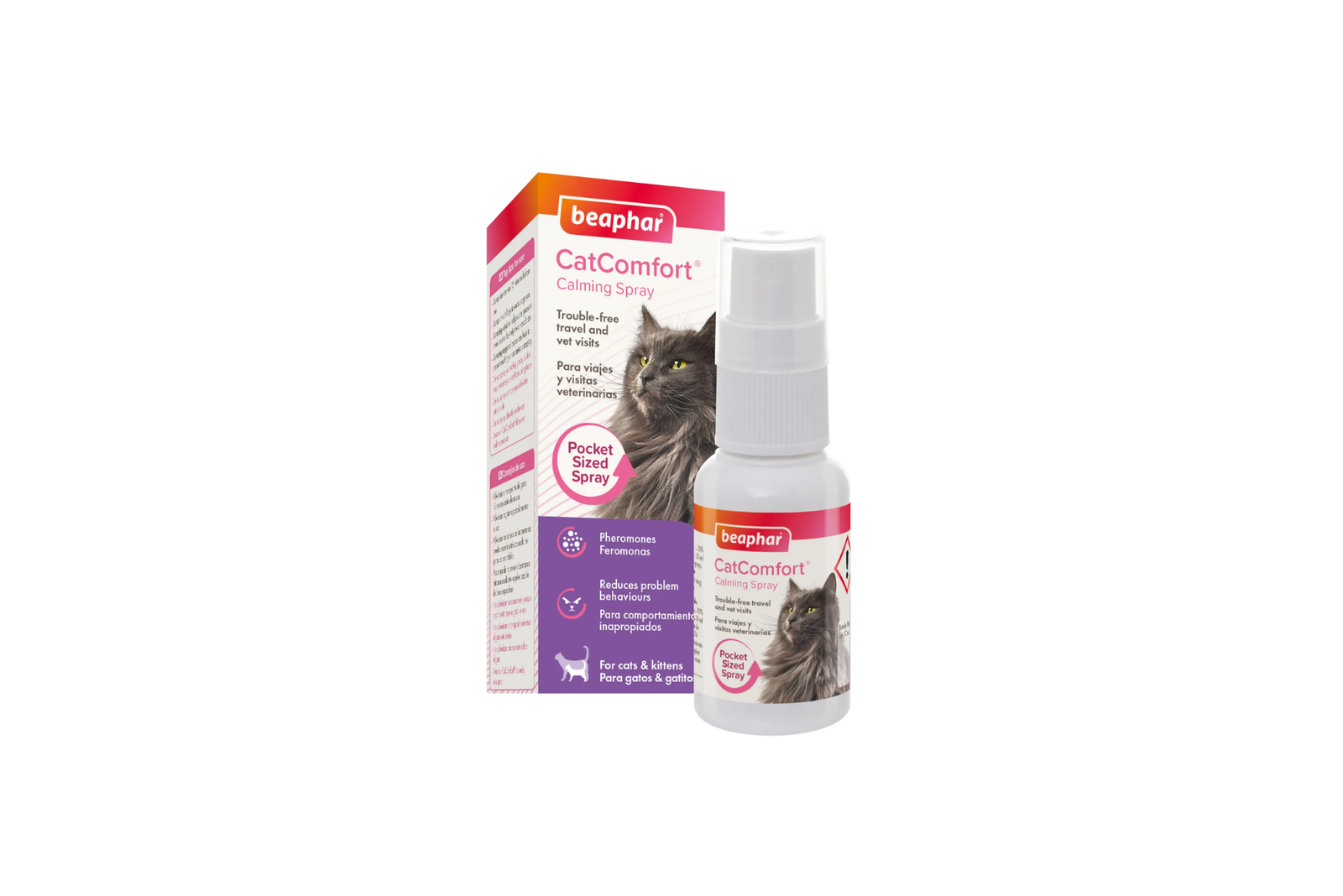
Beyond food, short-dated home care, skincare, vitamins, and pet products are common. Here, the concern is usually reduced potency—not immediate safety.
Why it matters in Dubai
- High product turnover in supermarkets, hotels, and cafés generates short-dated surplus.
- Climate realities make fast redistribution and correct storage crucial.
- Household budgets benefit—near-expiry items often carry meaningful markdowns on brands families already trust.
Meet the new marketplace—and its launch generosity
A new Dubai-focused service, ThrowMeNot, has stepped in to connect shoppers with vetted short-dated stock across everyday categories. In its launch phase, the platform is offering especially strong discounts to build habit and trust. Expect:
- Clear shelf-life labeling (best-before vs. use-by), so you can plan with confidence.
- Transparent pricing & bundles aligned to weekly consumption.
- Practical guidance on storage and handling for Dubai’s climate.
Explore the current deals: ThrowMeNot.ae.
Shop smart, waste less
- Plan to the date: Buy what you’ll realistically use before the label. Think school lunches, weekly meal prep, stay-at-home dinners.
- Prioritize best-before for flexibility; keep use-by for same-day or next-day meals.
- Inspect packaging on arrival and refrigerate or freeze promptly when required.
- Pick the right categories: Pantry staples, grains, sauces, snacks, coffee/tea, detergents, paper goods, sealed cosmetics, and pet care are ideal near-expiry buys.
Bigger than bargains: a mission with city-scale benefits
Every rescued item avoids landfill and preserves the resources already embedded in it—water, energy, labor, logistics. When thousands of baskets shift toward short-dated stock:


- Retailers recover value from items that would otherwise be written off.
- Consumers save without trading down on quality.
- Dubai advances its sustainability goals, reducing avoidable waste at the neighborhood level.
For local sellers and hospitality partners
- Segment & label short-dated inventory clearly to remove friction.
- Bundle to weekly rhythms (e.g., 5–7-day packs that match real usage).
- Educate in the listing: storage tips, date-label explanations, and serving suggestions.
- Use data to route stock quickly—from central stores to the communities most likely to use it in time.
The takeaway
Dubai’s near-expiry movement is not about compromise—it’s about timing. By matching real consumption windows with short-dated products, residents save money, retailers cut waste, and the city moves closer to a circular economy. If you want your weekly shop to reflect your values, start here: ThrowMeNot. One small change in your cart can deliver outsized impact—for your budget and for Dubai.