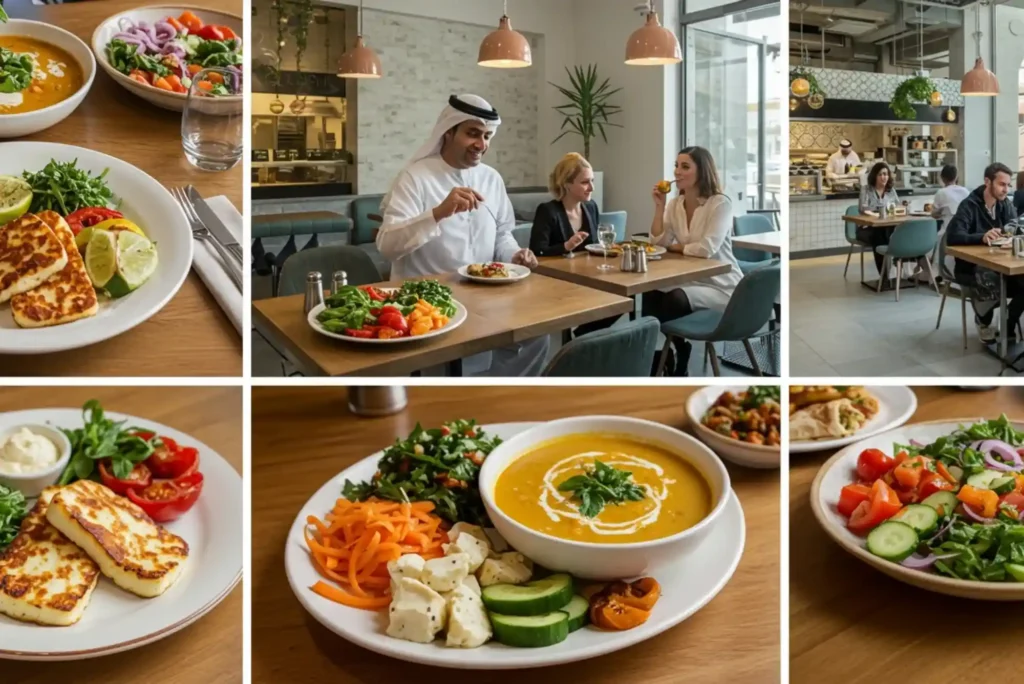
Dubai, a city known for luxury shopping and futuristic architecture, is now witnessing a shift in how people eat. The city’s dining culture is evolving with growing demand for fresh, nutritious, and wholesome meals.
This surge in health-conscious eating habits is not just a trend, it’s a lifestyle pivot embraced by both locals and tourists.
Among the cuisines contributing to this healthy dining revolution is Lebanese food, which combines flavor, balance, and natural ingredients in every dish.
The Health-Conscious Movement in Dubai
Health-focused dining is rapidly gaining popularity in the UAE, particularly in Dubai. According to a 2024 study by Euromonitor International, more than 65% of UAE consumers now actively seek healthier food options when eating out. Factors contributing to this shift include increasing awareness of lifestyle-related diseases, the influence of fitness culture, and a younger population leaning toward wellness.
Drivers of the Health Movement
- Growing concern over obesity and diabetes
- Popularity of fitness and wellness influencers
- Rise of health-centric food apps and delivery services
Key Demographics Leading the Change
- Young professionals aged 25–40
- Health-conscious families
- International tourists with specific dietary needs
The Appeal of Lebanese Cuisine for Healthy Eaters
Lebanese cuisine is inherently aligned with the principles of a balanced diet. Rich in vegetables, legumes, lean meats, olive oil, and herbs, it offers nutritional variety without compromising taste. The reliance on grilled foods, yogurt-based dips, and fresh salads makes Lebanese meals naturally lower in unhealthy fats and sugars.
Core Health Benefits of Lebanese Food:
- Rich in Fiber: Dishes like tabbouleh and hummus provide ample dietary fiber.
- Low in Saturated Fats: Grilled meats and olive-oil-based dishes avoid heavy oils.
- Packed with Plant-Based Proteins: Lentils, chickpeas, and beans play a starring role.
A Pioneer in Balanced Lebanese Dining
One restaurant that exemplifies the harmony of health and taste in Dubai is Al Safadi. With locations across key districts like Sheikh Zayed Road, Dubai Festival City, and Al Rigga, it has become a top choice for those seeking authentic Lebanese meals made with fresh, quality ingredients.


Their menu balances indulgence and wellness from light mezze platters to hearty lentil soups and grilled mains.
Locations to Serve the Health-Conscious Crowd
- Sheikh Zayed Road
- Al Rigga
- Umm Al Sheif
- Motor City
- Dubai Festival City Mall
- Al Qana – Abu Dhabi
Commitment to Freshness
- Daily prepared ingredients
- No artificial additives or preservatives
- Customizable meal options for different diets
Popular Healthy Picks
Here are just a few items that stand out for their flavor and nutrition:
- Tabbouleh: A finely chopped parsley salad with tomatoes, mint, onion, and bulgur, dressed in lemon juice and olive oil.
- Fattoush: Mixed greens with radish, cucumber, and crispy bread tossed in sumac vinaigrette.
- Grilled Chicken Tawook: Lean marinated chicken skewers served with grilled vegetables.
- Lentil Soup: A comforting, protein-rich option made without cream or artificial thickeners.
- Labneh: A probiotic-rich strained yogurt served with olive oil and herbs.
Embracing Vegetarian and Vegan Diets
Plant-based eating is on the rise globally and in the UAE. Lebanese cuisine is well-suited for this trend thanks to its range of naturally meat-free dishes. Guests can enjoy flavorful vegetarian options without sacrificing nutrition or taste.
Top Vegetarian & Vegan Choices:
- Hummus
- Moutabbal
- Vine Leaves
- Mujaddara
- Grilled Vegetable Platters
Growing Interest in Plant-Based and Functional Foods
As Dubai’s culinary landscape expands, restaurants are responding by integrating plant-based ingredients and functional superfoods into traditional dishes. Lebanese cuisine already fits well within this trend, offering naturally vegan and vegetarian-friendly options such as baba ghanoush, foul moudammas, and mujaddara (lentils with rice and caramelized onions).
Functional Ingredients in Lebanese Dishes
- Olive Oil: Rich in antioxidants and heart-healthy fats
- Garlic: Known for its anti-inflammatory properties
- Chickpeas: Provide satiety and blood sugar balance
Nutritional Comparison Table
| Dish | Calories (approx.) | Key Nutrients | Suitable For |
| Tabbouleh | 120 kcal | Fiber, Vitamin C, Iron | Vegan, Low-calorie |
| Grilled Tawook | 220 kcal | Protein, B Vitamins | Low-fat, High-protein |
| Lentil Soup | 180 kcal | Fiber, Protein, Iron | Vegetarian, Gut health |
| Labneh with Veggies | 150 kcal | Calcium, Probiotics | Vegetarian, Low-carb |
Breakfast as a Wellness Starter
Healthy eating starts with the first meal of the day. Lebanese breakfasts light, wholesome, and balanced are perfectly aligned with Dubai’s health-first culture.
Morning Favorites
- Manakish with Zaatar (whole grain option)
- Labneh with olive oil and cucumber
- Fresh juices and Arabic coffee
How Tourists and Residents Are Embracing the Shift
Dubai attracts millions of global visitors each year, many of whom are now traveling with dietary preferences or wellness goals in mind. Restaurants that can accommodate gluten-free, dairy-free, vegetarian, and high-protein diets are more likely to stand out.
What Sets Some Restaurants Apart:
- Transparent ingredient sourcing
- Made-to-order freshness
- Customizable dishes
Final Thoughts
Healthy dining in Dubai is no longer limited to green smoothies and salad bowls. With its strong emphasis on fresh produce, lean proteins, and traditional preparation methods, Lebanese cuisine stands out as a delicious yet health-conscious option.