
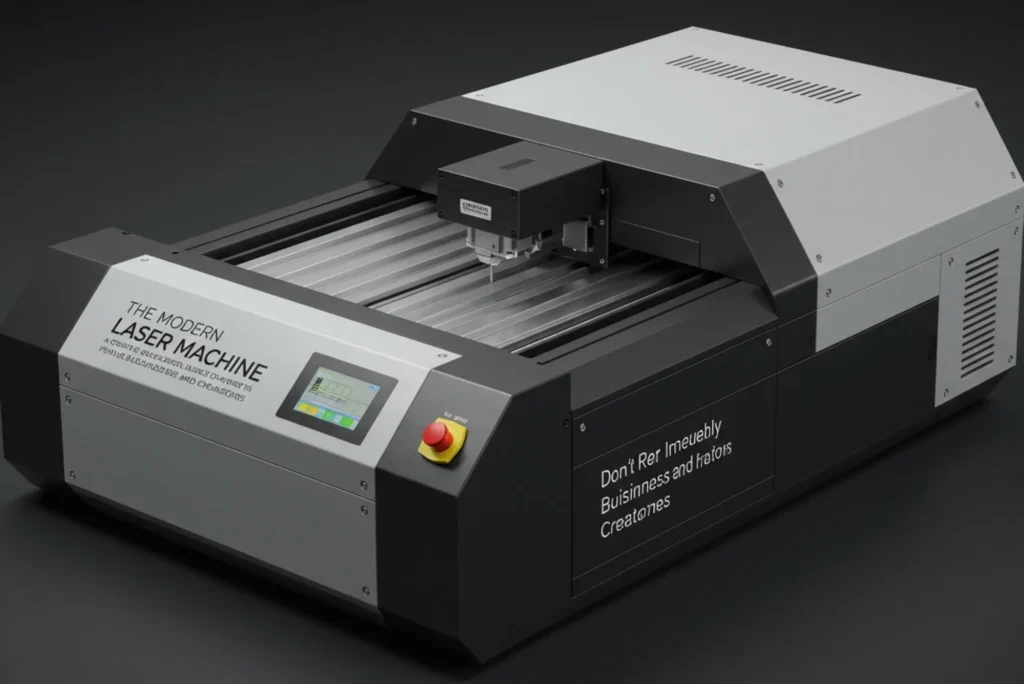
Whether you’re running a manufacturing unit, a custom engraving business, or a tech startup exploring precision cutting, one tool that continues to redefine industrial and creative workflows is the laser machine. Over the last decade, laser technology has moved far beyond traditional metal cutting and now plays a vital role in industries such as automotive, jewelry, medical devices, architecture, electronics, signage, and even crafts.
Many people hear the word “laser” and imagine something complex or futuristic, but the truth is that laser machines have become more accessible, customizable, and energy-efficient than ever before. With the rise of advanced systems like the fiber laser, even small businesses and hobbyists can now achieve industrial-level results without huge setup costs.
In this article, I’ll break down how modern laser machines work, why fiber laser systems are rapidly becoming the industry standard, and what you should consider before investing in one. I’ll also share practical insights from real projects and explain how different sectors are using laser technology today.
What Exactly Is a Laser Machine?
A laser machine is a precision tool that uses a focused beam of light to cut, engrave, weld, or mark a material. Unlike mechanical cutting tools that rely on physical contact, a laser works by generating intense heat in a very small area, allowing for clean, sharp, and highly accurate results.
The core advantage is precision. A laser beam is often less than a millimeter thick, making it ideal for detailed patterns, fine cuts, and micro-engraving. This is why industries that demand accuracy—such as aerospace engineering or medical device production—prefer laser-powered processes over traditional cutting equipment.
Why Fiber Laser Technology Changed Everything
When we talk about laser machines in modern industry, one keyword always stands out: fiber laser. Earlier, CO₂ lasers dominated the market, especially for wood, acrylic, and plastic cutting. But fiber lasers revolutionized metal processing due to their faster beam delivery, longer lifespan, and low maintenance.


A fiber laser generates its beam using optical fibers instead of mirrors or gas tubes. This simple difference leads to major benefits—higher cutting speed, better energy efficiency, and the ability to work with reflective metals like copper, brass, and aluminum (which older CO₂ machines often struggled with).
For anyone working with stainless steel nameplates, automotive parts, industrial components, or branded metal merchandise, a fiber laser machine is no longer a luxury—it’s a must-have.
Real-World Example: Why Manufacturers Prefer Fiber Laser
A client of mine once shifted from a 100W CO₂ laser to a 2kW fiber laser for sheet metal cutting. Before switching, a single production batch took 6 hours, and the edges still required post-processing because of burns and burrs. After upgrading, the same workload was completed in 1 hour with a clean, ready-to-ship finish.
The total running cost dropped because fiber lasers don’t require expensive gas refills, lens alignment, or frequent maintenance. That one decision improved production speed, quality, and profit margins—all because the right laser machine was selected.
Where Laser Machines Are Used Today
Laser technology is no longer exclusive to factories. Today, you’ll find laser machines in:
● Furniture and interior decor studios
● Corporate gifting and branding workshops
● Dental implant labs
● Electronic PCB manufacturing
● Gold and jewelry engraving shops
● Automotive part fabrication units
● Glass and acrylic signage businesses
● Textile pattern cutting facilities
What makes them so versatile is the ability to adapt a single machine to multiple tasks. With a change of lens, bed size, or software setting, the same laser cutter can engrave a wedding ring, cut steel plates, and mark QR codes on industrial tools.
Materials You Can Process with a Fiber Laser
One of the biggest strengths of a fiber laser machine is material compatibility. It can work with:
● Stainless steel
● Mild steel
● Aluminum and alloys
● Copper, brass, bronze
● Titanium
● Hard plastics
● Automotive-grade metals
● High-precision electronic parts
Even marking serial numbers on medical equipment requires a non-touch, non-damage method, and fiber lasers are now certified for that role in many countries.
Things to Consider Before Buying a Laser Machine
Even though laser machines have become more affordable, the investment still matters—so choosing the right machine is important. Here are some key factors to think about:
1. Your Primary Use
Are you planning to cut thick steel plates or engrave jewelry logos? A machine for metal cutting will be very different from a hobby-level engraver.
2. Power Capacity (Wattage)
Higher wattage means higher speed and thicker cutting ability. For example:
● 20–50W fiber laser → Marking & engraving
● 1kW–3kW → Sheet metal cutting
● 6kW+ → Industrial heavy-duty cutting
3. Work Area Size
For large signage or sheet fabrications, you need a bigger working table. For small crafts, compact models are enough.
4. Cooling and Maintenance
Fiber lasers use air or water cooling depending on power. Always check the required electricity load and cooling system.
5. Software Compatibility
Modern machines use LightBurn, EZCAD, AutoCAD, or proprietary control systems. Good software means smoother workflow and better precision.
How Fiber Laser Machines Support Green Manufacturing
One often-overlooked benefit is sustainability. Fiber lasers consume less power, last longer (often 100,000+ working hours), and do not release toxic gases. Because of that, many eco-focused brands switched to laser cutting instead of chemical etching or mechanical stamping.
The clean, contact-free cutting process also reduces scrap waste. That’s why industries in Europe and the Middle East now prefer fiber laser technology to meet government-based energy efficiency requirements.
Laser Machine vs Traditional Cutting: A Quick Comparison
| Feature | Traditional Cutting | Laser Machine |
|---|---|---|
| Contact with Material | Physical tool | No contact (light beam) |
| Edge Finish | Rough, needs polishing | Smooth & burr-free |
| Maintenance | High (blades, lubrication) | Low (mostly optics) |
| Precision | Limited | Micron-level |
| Noise | Loud | Almost silent |
| Speed | Medium | High |
| Complex Shapes | Hard to achieve | Very easy |
Even though we’re not using bullet-lists in the main body of the article, this comparison is included here for clarity because the difference is important for investment decisions.
Future of Laser Machines: AI, Automation & Smart Factories
The next evolution of laser technology is already happening—AI-driven cutting, auto-focus lenses, robotic arms for mass production, and cloud monitoring systems. Some brands have introduced self-calibrating laser heads that adjust power automatically based on material thickness.
In the coming years, we’ll likely see completely unmanned 24/7 laser cutting units inside automated smart factories, especially in aerospace and automotive manufacturing.
Final Thoughts: Is a Fiber Laser Machine Worth Investing In?
If your business requires precision, clean cutting, and long-term stability, a fiber laser machine is not only worth the money—it is often the smartest upgrade you can make. Whether you are planning to scale production or start a laser engraving brand, the technology is reliable, flexible, and future-proof.
The choice is not just about buying a machine, but about improving productivity, reducing waste, and delivering the type of finishing that customers now expect.
Once you understand the capabilities of a laser machine—especially a fiber laser—you start seeing new business possibilities everywhere: custom products, industrial supply contracts, branded merchandise, and even creative side hustles.
Related Reading: The 2026 Flagship Shift: Why Performance Stability is the New Benchmark for Premium Smartphones