Introduction
Feline diabetes can develop gradually, making the early signs easy to overlook. A cat may continue eating normally—or even seem hungrier—while losing weight, drinking more water, and urinating more frequently. Recognizing these changes early can make a meaningful difference because diabetes is treatable, and some cats may eventually achieve remission with appropriate management.
The most recognizable feline diabetes symptoms include excessive thirst, increased urination, increased appetite, and unexplained weight loss. These signs occur because glucose builds up in the bloodstream when insulin is insufficient or does not work effectively. Without adequate access to glucose, the body’s cells cannot use this important energy source normally.
Understanding what to watch for, how veterinarians confirm diabetes, and why insulin may be necessary can help cat owners respond promptly rather than waiting for symptoms to become severe.
What Is Feline Diabetes?
Feline diabetes mellitus is a metabolic disease involving insulin and blood glucose. Insulin is produced by the pancreas and helps move glucose from the bloodstream into cells, where it can be used for energy. When there is not enough effective insulin, blood glucose remains abnormally high.
Most diabetic cats have a form similar to type 2 diabetes in humans. Their bodies may still produce insulin, but the tissues do not respond to it adequately, a problem known as insulin resistance. Obesity is an important risk factor because excess body weight can contribute to insulin resistance.
Diabetes is not simply a condition caused by eating too much sugar. Several factors can contribute to its development, including obesity, increasing age, physical inactivity, certain medications such as corticosteroids, and other underlying diseases.


Common Feline Diabetes Symptoms
The first changes are often noticed at home. Because cats can be extremely good at hiding illness, subtle changes in drinking, litter-box habits, appetite, and body condition deserve attention.
Excessive Thirst
One of the classic feline diabetes symptoms is drinking much more water than usual. A cat may visit the water bowl repeatedly, drink from unusual places, or cause the water level to drop noticeably faster.
This happens because high blood glucose can cause glucose to spill into the urine. Glucose in the urine draws additional water with it, increasing urine production. The cat loses more water and compensates by becoming thirstier.
Not every increase in drinking means diabetes. Kidney disease, hyperthyroidism, certain medications, and other conditions can also cause excessive thirst. That is why persistent changes should be evaluated rather than diagnosed at home.
Increased Urination
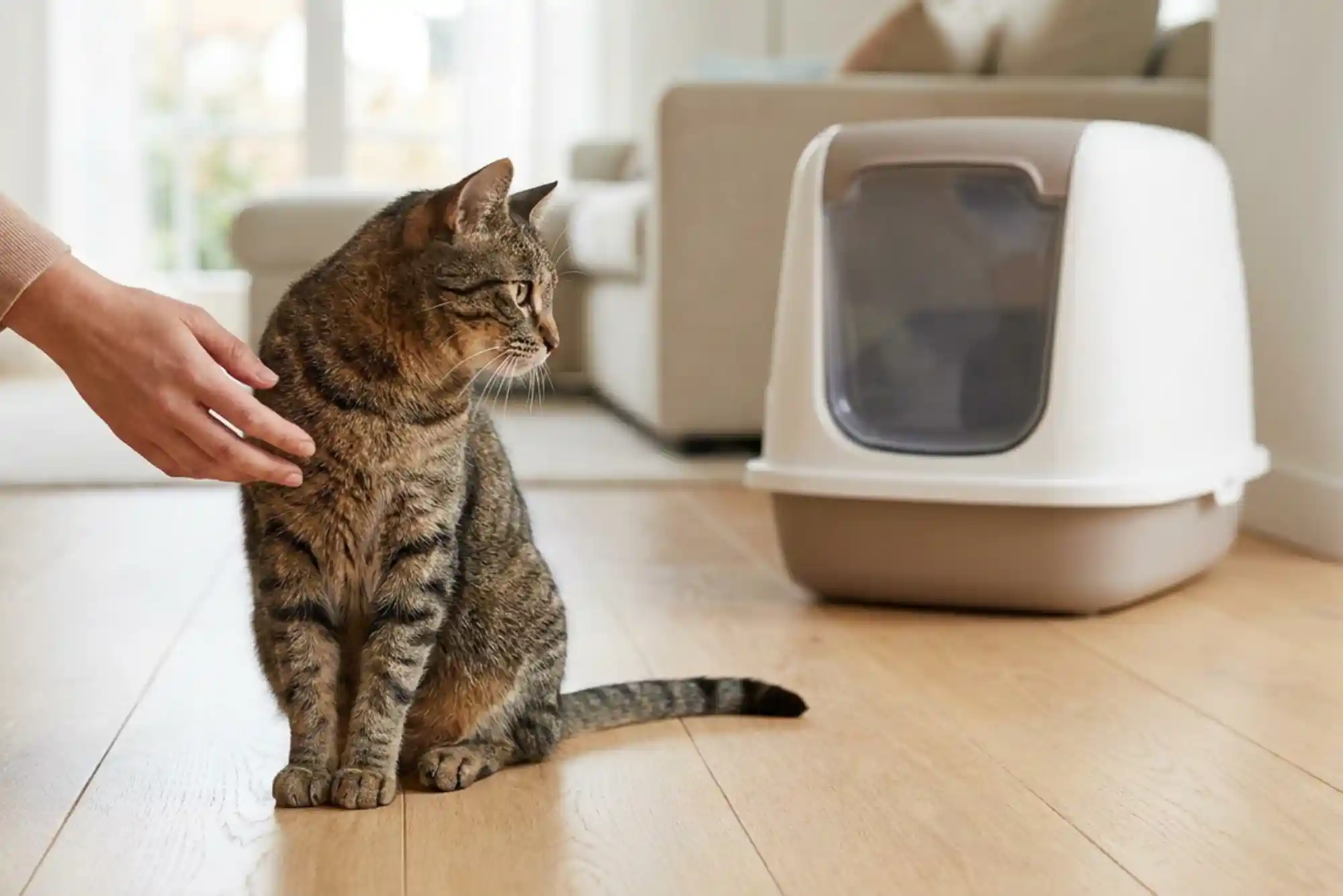
Increased urination commonly appears alongside excessive thirst. You may notice larger clumps in a litter box, more frequent urination, or accidents outside the box.
The connection is straightforward: when excess glucose enters the urine, it promotes additional water loss through urination. The resulting fluid loss then encourages the cat to drink more.
Keeping an eye on litter-box habits can therefore provide useful information for your veterinarian.
Weight Loss Despite Eating Well
Unexplained weight loss is another major warning sign. A diabetic cat may have a normal or increased appetite but continue losing body condition.
When glucose cannot enter cells efficiently, the body has difficulty using it as fuel. It may begin breaking down stored fat and protein to obtain energy, contributing to weight loss.
This combination—eating more while becoming thinner—is particularly worth discussing with a veterinarian.
Increased Appetite
Some diabetic cats become noticeably hungrier. The body has plenty of glucose circulating in the blood, but the cells cannot use it effectively. The resulting energy shortage can stimulate increased food intake.
Increased appetite by itself does not prove diabetes. However, when it occurs together with weight loss, excessive thirst, and increased urination, diabetes becomes an important condition to investigate.
Weakness or Changes in Walking
Advanced or poorly controlled diabetes can sometimes affect the nerves in a cat’s hind limbs. A diabetic cat may develop a plantigrade stance, meaning the hocks become closer to the ground while standing or walking. This condition is called diabetic neuropathy.
These changes should not be ignored. Other neurological, orthopedic, or metabolic problems can produce weakness or abnormal movement, so a veterinary examination is important.
Why Do Cats With Diabetes Lose Weight?
Weight loss is closely connected to the way insulin controls energy use.
Normally, insulin helps glucose move from the bloodstream into cells. In diabetes, insulin may be insufficient or the body’s cells may resist its effects. As a result, glucose accumulates in the bloodstream while cells struggle to access the fuel they need.
The body then begins using alternative energy sources, including stored fat and protein. This process can cause noticeable loss of muscle and body fat.
For an owner, the important point is that unexplained weight loss should not be dismissed simply because the cat still has a good appetite. Several diseases can cause this pattern, including diabetes, hyperthyroidism, gastrointestinal disease, and other conditions.
How Is Feline Diabetes Diagnosed?
Veterinarians generally look for a combination of clinical signs and laboratory evidence. Diabetes is typically supported by persistently elevated blood glucose and glucose in the urine.
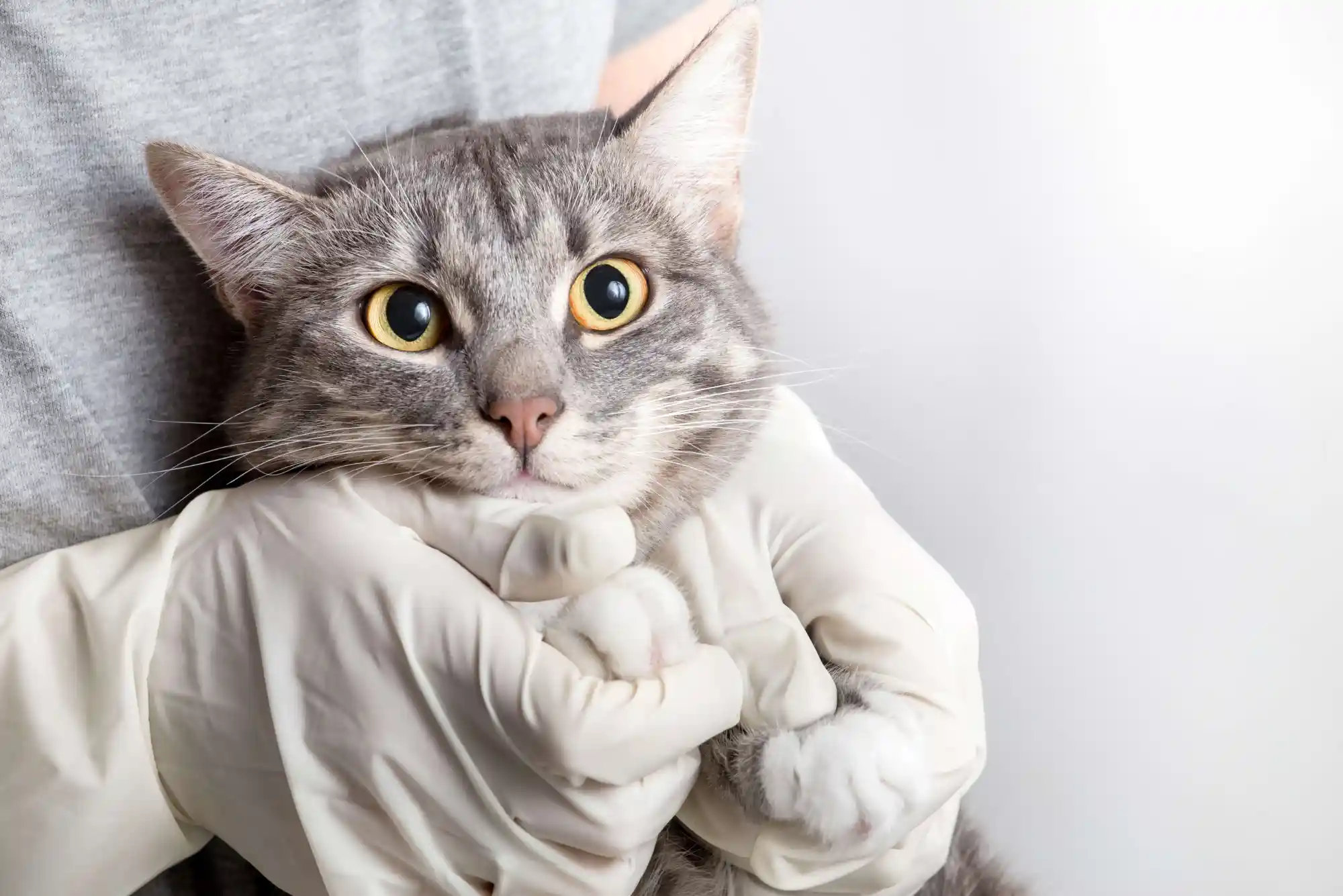
A single high blood-glucose reading is not always enough. Cats can develop stress-related hyperglycemia during veterinary visits, meaning their glucose may temporarily rise because they are frightened or anxious.
When the diagnosis is uncertain, a veterinarian may recommend a fructosamine test. This test provides an estimate of average blood glucose over roughly the previous one to two weeks and can help distinguish persistent diabetes from a temporary stress response.
Additional blood and urine testing may be recommended to look for other illnesses or complications. Kidney disease, urinary infections, pancreatitis, and hyperthyroidism can cause overlapping signs or occur alongside diabetes.
Insulin and Feline Diabetes Treatment
Insulin remains an important treatment for many diabetic cats. The goal is to bring blood glucose under control while reducing excessive thirst, urination, and weight loss and avoiding dangerously low blood glucose.
Depending on the cat’s condition, veterinarians may prescribe insulin once or twice daily. Commonly used insulin preparations include glargine, lente insulin, and protamine zinc insulin, although the appropriate product and dose depend on the individual cat.
Owners should never choose an insulin type or change the dose independently. Even a small dosing error can cause hypoglycemia, which can become life-threatening.
Fortunately, insulin injections are usually given under the skin using a very small needle. Many owners find that administration becomes a routine part of caring for their cat after receiving proper veterinary instruction.
Why Insulin Dosage Must Be Monitored
A diabetic cat’s insulin requirement can change. Weight, diet, activity, other illnesses, and the cat’s response to treatment can all affect glucose control.
Veterinarians may monitor blood glucose through clinic testing, home glucose measurements, continuous glucose monitoring, or other appropriate methods. Keeping accurate records of insulin doses, feeding, appetite, weight, and unusual behavior can make treatment adjustments easier.
Never give an extra insulin dose simply because a cat appears thirsty or because a previous glucose reading was high. Insulin decisions should follow the veterinarian’s treatment plan.
Can Diet Help a Diabetic Cat?
Diet is an important part of diabetes management. A veterinarian may recommend a diet designed to support better blood-glucose regulation, and lower-carbohydrate diets can be beneficial for many diabetic cats.
For cats that are overweight, controlled weight reduction can improve insulin sensitivity. However, weight loss should be gradual and professionally monitored. Rapid or inappropriate weight loss can create additional health risks.
Meal timing can also matter, particularly when insulin is being administered. Owners should follow the feeding instructions provided by their veterinary team rather than making major dietary changes suddenly.
Monitoring Feline Diabetes at Home
Home observation is an important part of long-term management. Owners can monitor water consumption, litter-box output, appetite, body weight, activity, and general behavior.
Keeping a simple daily record can reveal trends that may otherwise be difficult to remember. For example, a gradual reduction in thirst and stabilization of body weight may suggest that treatment is helping, while renewed weight loss or increased drinking may indicate that the cat needs reassessment.
Home glucose monitoring may also be appropriate for some cats. Veterinary guidance is essential because glucose readings need to be interpreted alongside the cat’s overall condition.
When Feline Diabetes Becomes an Emergency
Diabetes can become dangerous when it is severely uncontrolled. One serious complication is diabetic ketoacidosis, or DKA, which occurs when the body breaks down fat for energy and produces ketones that make the blood more acidic. DKA requires urgent veterinary treatment and often hospitalization.
Signs such as severe weakness, vomiting, dehydration, loss of appetite, marked lethargy, or a generally very sick appearance warrant prompt veterinary attention.
Low blood glucose is another emergency, particularly in a cat receiving insulin. Signs can include weakness, unusual sleepiness, wobbling, lack of coordination, shaking, seizures, or loss of consciousness.
If hypoglycemia is suspected, contact a veterinarian or emergency veterinary service immediately and follow the emergency instructions provided for your cat. Never change insulin treatment without professional guidance.
Can Feline Diabetes Go Into Remission?
Diabetes does not necessarily mean a cat will need insulin forever. Some cats can enter diabetic remission, particularly when diabetes is identified and managed effectively and contributing factors such as obesity are addressed.
Remission means the cat can maintain acceptable blood-glucose regulation without ongoing insulin treatment for a period of time. It does not mean the cat can be considered permanently cured. Continued monitoring remains important because diabetes can return.
Whether remission is possible depends on the individual cat’s condition, pancreatic function, duration of diabetes, treatment response, diet, weight, and other health factors.
FAQs
What are the first signs of diabetes in cats?
The most common early signs include increased thirst, increased urination, increased appetite, and unexplained weight loss. Some cats may also become less active or develop weakness. Because these signs overlap with other diseases, veterinary testing is needed for confirmation.
How can I tell if my cat is drinking too much water?
Watch for unusually frequent trips to the water bowl, a water container that empties faster than normal, or increased drinking from sinks and other sources. Measuring your cat’s approximate daily water intake can give your veterinarian useful information.
Why is my cat losing weight but still eating?
Diabetes is one possible explanation. When insulin is insufficient or ineffective, glucose cannot be used normally by the body’s cells, so the body may break down fat and protein for energy. Other illnesses can cause the same pattern, so unexplained weight loss should be investigated.
Do all diabetic cats need insulin?
Many diabetic cats need insulin, particularly when they require reliable blood-glucose control or have more advanced disease. Some cats may be candidates for newer oral treatments, but these medications are not suitable for every cat. The veterinarian should determine the treatment based on the cat’s health and diabetes status.
How often do diabetic cats need insulin?
Many cats receive insulin once or twice daily, depending on the insulin preparation and their individual treatment plan. The exact dose and schedule must come from the veterinarian.
Can a cat live a normal life with diabetes?
Many diabetic cats can be managed successfully with appropriate treatment, monitoring, nutrition, and veterinary follow-up. Some may eventually achieve remission. Consistent care is important because both high and low blood glucose can cause serious problems.
When should I take my cat to the vet for possible diabetes?
Arrange a veterinary examination if your cat develops persistent excessive thirst, increased urination, unexplained weight loss, increased appetite, weakness, or changes in behavior. If the cat stops eating, vomits repeatedly, becomes severely weak, collapses, has seizures, or appears seriously ill, seek urgent veterinary care.
Recognizing feline diabetes symptoms early can help a cat receive appropriate treatment before complications develop. Excessive thirst, increased urination, increased appetite, and unexplained weight loss are the classic warning signs, but individual cats can present differently.
Diagnosis requires veterinary assessment and appropriate blood and urine testing because several other diseases can produce similar symptoms. For cats diagnosed with diabetes, treatment may involve insulin, dietary management, weight control, glucose monitoring, and regular veterinary follow-up.