Introduction
Cat dental health is an essential part of keeping your feline companion comfortable, healthy, and active. However, many cats develop dental problems without showing obvious signs of pain. Gingivitis and tooth resorption are two common conditions that can affect eating, grooming, and overall well-being. Understanding Cat Dental Health: Signs of Gingivitis and Tooth Resorption helps cat owners recognize warning signs before these problems become severe.
Cats often hide discomfort because of their natural instincts. Therefore, a cat may continue eating despite having painful gums or damaged teeth. Regular dental examinations can help identify these conditions early. With proper veterinary care and consistent home routines, you can protect your cat’s mouth and support a better quality of life.
Understanding Cat Dental Health
Cat dental health involves keeping the teeth, gums, and surrounding tissues clean and free from disease. Healthy gums generally appear pink, while the teeth should not have significant plaque buildup, visible damage, or persistent discoloration.
Dental problems often begin when plaque accumulates along the gumline. Plaque contains bacteria that can irritate the gums. Over time, it may harden into tartar, making professional cleaning necessary.
Poor dental health can cause discomfort, difficulty chewing, bad breath, and changes in behavior. Some cats may also become less interested in dry food or stop grooming themselves properly. These changes can be subtle, so observing your cat’s everyday habits is important.
Two conditions deserve particular attention: gingivitis and tooth resorption. Although they can produce similar symptoms, they involve different processes and require different treatments.


What Is Gingivitis in Cats?
Gingivitis is inflammation of the gums surrounding the teeth. It commonly develops when plaque and bacteria accumulate along the gumline. The affected gums may become red, swollen, tender, or prone to bleeding.
Mild gingivitis can sometimes improve with appropriate professional cleaning and consistent dental care. However, untreated inflammation may progress into more serious periodontal disease, which damages the tissues supporting the teeth.
Cats of different ages can develop gingivitis. Plaque accumulation is a common contributor, although certain infections, immune responses, and underlying medical conditions may also play a role.
Common Signs of Cat Gingivitis
Redness along the gumline is one of the earliest visible signs. Healthy gums are usually pink, but inflamed gums may appear noticeably red, particularly around the bases of the teeth.
Bad breath is another warning sign. While a cat’s breath may have a mild odor, persistent or unusually unpleasant breath can indicate bacterial buildup or oral disease.
Some cats drool more than usual or show discomfort while eating. They may chew slowly, drop food, prefer softer meals, or turn their heads while biting. In more severe cases, blood may appear in the saliva.
Behavioral changes can also indicate a problem. A cat that resists having its face touched or becomes irritable during mealtimes may be experiencing oral pain.
Because these symptoms overlap with other dental conditions, a veterinarian should examine your cat rather than relying on appearance alone.
What Is Tooth Resorption in Cats?
Tooth resorption is a painful condition in which the body gradually breaks down a tooth’s structure. It can affect the crown, the root, or both. The exact cause is not fully understood, and the condition is relatively common in domestic cats.
Unlike ordinary cavities in humans, feline tooth resorption involves the progressive destruction of dental tissues by specialized cells. The process may begin below the gumline, making early detection difficult without a veterinary examination and dental X-rays.
As the condition progresses, parts of the tooth may weaken, become exposed, or break away. The remaining area can be extremely sensitive, particularly when touched or exposed during eating.
Tooth resorption can affect cats of various ages, including those receiving good routine care. Consequently, brushing alone cannot guarantee prevention.
Signs of Tooth Resorption
Cats with tooth resorption may show signs similar to those associated with gingivitis. However, sudden jaw chattering when the mouth is examined can be a particularly concerning sign of dental pain.
Some cats react sharply when a painful tooth is touched. Others may avoid hard food, swallow kibble without chewing, or drop pieces from their mouths. You might also notice increased salivation, pawing at the face, or reduced appetite.
In some cases, the visible crown appears damaged or partly missing. Pink or red tissue may develop near the gumline where the tooth structure is breaking down.
Nevertheless, tooth resorption may remain hidden beneath the gums. A cat can appear normal while experiencing significant discomfort. Veterinary dental X-rays are therefore important for confirming the diagnosis and assessing the affected roots.
Gingivitis vs. Tooth Resorption: Understanding the Difference
Gingivitis primarily affects the gums, causing inflammation, redness, swelling, and bleeding. It often develops in association with plaque and may improve after professional cleaning and appropriate ongoing care.
Tooth resorption, however, destroys the tooth itself. The damage is progressive and usually requires treatment of the affected tooth. Simply removing plaque will not repair a tooth affected by resorption.
Both conditions can cause bad breath, drooling, reduced appetite, and pain during eating. This overlap makes it difficult for owners to distinguish them at home.
A veterinary examination is the safest way to identify the underlying problem. Dental radiographs can reveal damage that cannot be seen during an ordinary visual inspection.
Causes and Risk Factors for Feline Dental Problems
Plaque buildup contributes significantly to gingivitis. When bacteria accumulate around the teeth, the surrounding gums may become inflamed. Without suitable treatment, the condition can worsen and contribute to periodontal disease.
Tooth resorption is more complex. Researchers have not established one definitive cause, although the condition is commonly diagnosed in cats. It can develop even when owners maintain careful feeding, grooming, and dental routines.
Certain viral infections and immune-related conditions may also contribute to oral inflammation in some cats. Persistent gingivitis or severe mouth inflammation therefore deserves a broader veterinary assessment.
Age can influence the likelihood of dental disease, but younger cats are not completely protected. Every cat benefits from regular oral examinations, appropriate preventive care, and prompt attention to unusual symptoms.
How Veterinarians Diagnose and Treat Dental Disease
A veterinarian begins by examining your cat’s mouth, gums, teeth, and overall health. Depending on the cat’s comfort and the suspected condition, a complete dental assessment may require general anesthesia.
Dental X-rays are particularly valuable when tooth resorption is suspected. They help the veterinarian evaluate damage beneath the gumline and determine whether tooth roots remain affected.
Treating Gingivitis
Treatment depends on the severity and underlying cause. For plaque-related gingivitis, professional dental cleaning removes plaque and tartar from the teeth. The veterinarian may also recommend polishing and an individualized home-care routine.
If severe inflammation persists despite cleaning, further testing may be needed. The veterinarian might investigate underlying infections, immune-related disease, or other oral conditions.
Antibiotics are not automatically necessary for every case of gingivitis. Medication should only be used when the veterinarian considers it appropriate.
Treating Tooth Resorption
Unfortunately, tooth resorption cannot generally be reversed. Treatment usually involves extracting the affected tooth to eliminate the source of pain.
The precise surgical approach depends on the tooth’s condition and its appearance on dental X-rays. In selected cases, a veterinarian may recommend a specialized extraction technique when the roots have undergone particular changes.
After treatment, many cats adapt well to eating without the affected tooth. Your veterinarian will provide instructions about pain relief, feeding, and recovery.
Prompt treatment is important because untreated tooth resorption can cause ongoing pain even when a cat continues eating normally.
How to Maintain Your Cat’s Dental Health at Home
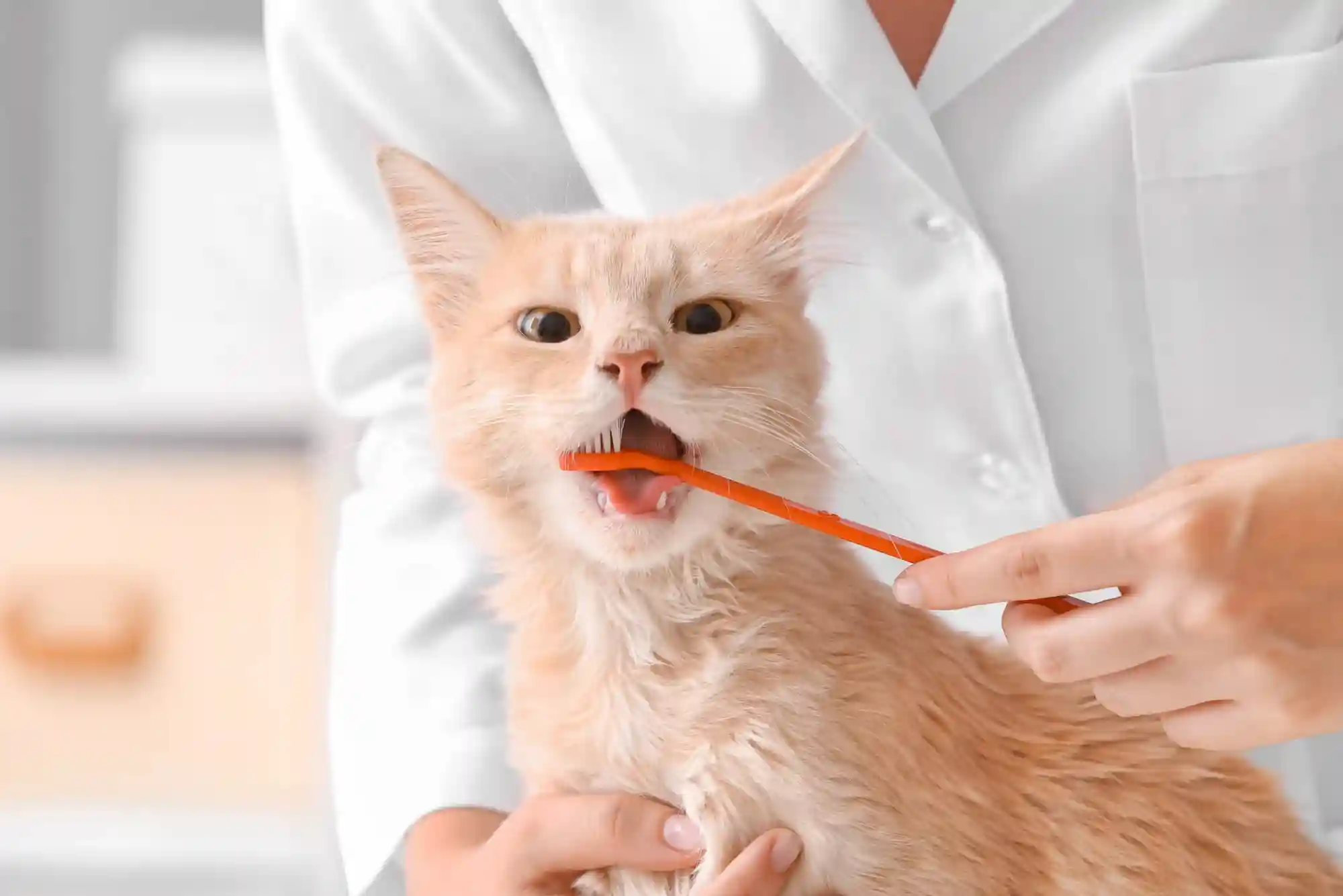
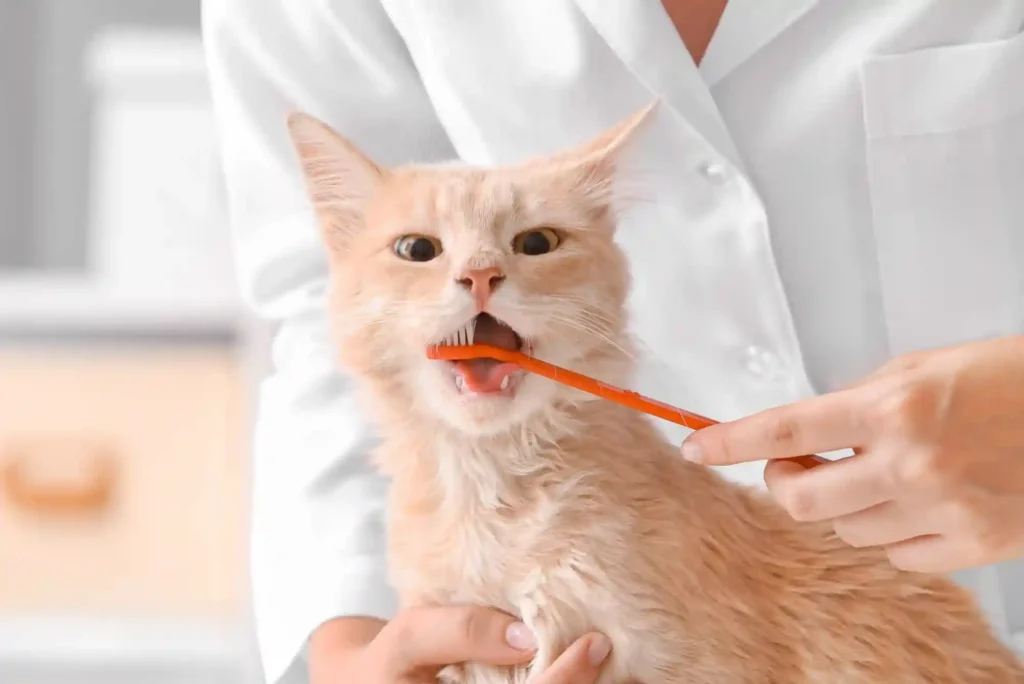
Daily toothbrushing is one of the most useful ways to control plaque. Introduce brushing gradually, allowing your cat to become comfortable with gentle handling around the mouth.
Use a toothbrush designed for cats and veterinary-approved toothpaste. Human toothpaste is unsuitable because some ingredients can be harmful when swallowed.
Start by touching your cat’s lips and gradually progress to gently brushing the outer surfaces of the teeth. Short, positive sessions are often more successful than forcing a lengthy routine.
Dental diets, treats, and oral-care products may provide additional support when selected appropriately. Look for products with recognized veterinary dental approval where available, and ask your veterinarian which options suit your cat.
However, home care cannot eliminate established tooth resorption or replace professional treatment. Even cats with excellent brushing routines need periodic dental assessments.
Schedule veterinary examinations regularly and seek advice sooner if you notice persistent bad breath, bleeding gums, drooling, or eating difficulties. Never attempt to scrape tartar or remove a damaged tooth yourself.
Frequently Asked Questions
What are the first signs of gingivitis in cats?
The earliest signs often include redness along the gumline, mild swelling, and unpleasant breath. Some cats develop tender gums or show subtle changes in eating behavior. A veterinary examination can confirm whether gingivitis is present.
How can I tell if my cat has tooth resorption?
Possible signs include jaw chattering, drooling, dropping food, chewing differently, and reacting painfully when the mouth is touched. However, some cats show few visible symptoms. A veterinary examination and dental X-rays are often needed for diagnosis.
Can gingivitis in cats be cured?
Gingivitis caused by plaque can often improve substantially with professional dental cleaning and consistent home care. However, persistent or severe inflammation may have additional causes requiring further investigation and treatment.
Is tooth resorption painful for cats?
Yes, tooth resorption can be extremely painful, particularly when sensitive dental tissues become exposed. Cats may hide their discomfort, so apparently normal eating does not rule out significant dental disease.
How often should cats have their teeth cleaned?
The appropriate interval depends on your cat’s age, oral health, medical history, and tendency to accumulate plaque. Your veterinarian can recommend an individualized schedule for examinations and professional dental cleaning.
Can I prevent tooth resorption in my cat?
There is currently no established method that reliably prevents feline tooth resorption. Regular dental examinations help identify it earlier, while brushing and appropriate dental care can reduce plaque-related problems.
Conclusion
Cat Dental Health: Signs of Gingivitis and Tooth Resorption deserves attention because both conditions can cause considerable discomfort while remaining difficult to recognize at home. Gingivitis affects the gums, whereas tooth resorption gradually destroys the tooth structure. Understanding this difference helps owners seek appropriate care.