Introduction
Cats are masters of disguise when it comes to their health. In the wild, showing weakness makes an animal a target for predators. Because of this evolutionary trait, domestic felines work hard to conceal discomfort. Understanding How to Tell If Your Cat Is in Pain: Subtle Subtle Signs of Feline Sickness allows cat owners to detect medical issues early and seek timely veterinary intervention.
Cats rarely cry out or limp unless they experience severe physical trauma. Instead, they communicate pain through minor shifts in routine, body language, and temperament. Learning to read these subtle indicators can significantly improve your pet’s quality of life and long-term health outcomes.
Changes in Hiding and Social Behavior
One of the primary indicators of discomfort involves social withdrawal. A cat that usually greets you at the door or sleeps on your lap may suddenly spend hours tucked under a bed or in a dark closet. This urge to isolate is a survival mechanism designed to protect them while feeling vulnerable.
Conversely, some cats manifest pain by becoming unusually clingy. They may follow you continuously or demand constant attention due to anxiety caused by physical distress. Any sudden shift from your cat’s established social baseline warrants closer observation.
Altered Grooming Patterns and Coat Appearance
Cats dedicate hours every day to maintaining a clean, sleek coat. When a cat experiences joint pain, spinal stiffness, or internal illness, twisting into grooming positions becomes painful. Consequently, you may notice a greasy, unkempt, or matted coat, particularly along the lower back, hind legs, and tail base.
On the other hand, localized pain often triggers over-grooming. A cat suffering from urinary tract discomfort or joint inflammation may lick a specific spot continuously, causing localized hair loss or skin raw skin patches.


Mobility Shifts and Reduced Jumping
Osteoarthritis and soft tissue injuries affect many aging cats, yet owners frequently mistake mobility loss for simple aging. If your cat hesitates before leaping onto furniture, uses intermediate steps to climb, or avoids stairs, joint pain is a likely culprit.
You might also observe a altered or stiff gait when they walk across the room. Cats in pain often move slowly, shuffle their feet, or appear reluctant to stretch out after waking from a nap.
Litter Box Accidents and Elimination Changes
Uncharacteristic litter box behavior is frequently a cry for help rather than a behavioral issue. Climbing into a high-sided litter box or squatting in litter can cause sharp pain for cats with hip, back, or joint problems. As a result, they may choose to eliminate right next to the box on a flat surface.
Internal conditions like urinary tract infections, blockages, or kidney disease also cause severe pain during urination. If your cat strain in the tray, cries while trying to go, or visits the litter box repeatedly, seek emergency veterinary care immediately.
Subtle Facial Expressions and Posture Adjustments
Veterinarians use specialized tools like the Feline Grimace Scale to evaluate physical discomfort through micro-expressions. A cat in pain often exhibits squinted or half-closed eyes, flattened ears turned slightly outward, and a tense muzzle. Their whiskers may pull back tightly against the face instead of fanning out naturally.
Body posture offers additional clues. Painful cats often sit in a hunched position with their head lowered, elbows drawn in tight, and legs tucked underneath. This protective posture shields the abdomen and reduces strain on aching joints.
Shifts in Appetite and Sleep Patterns
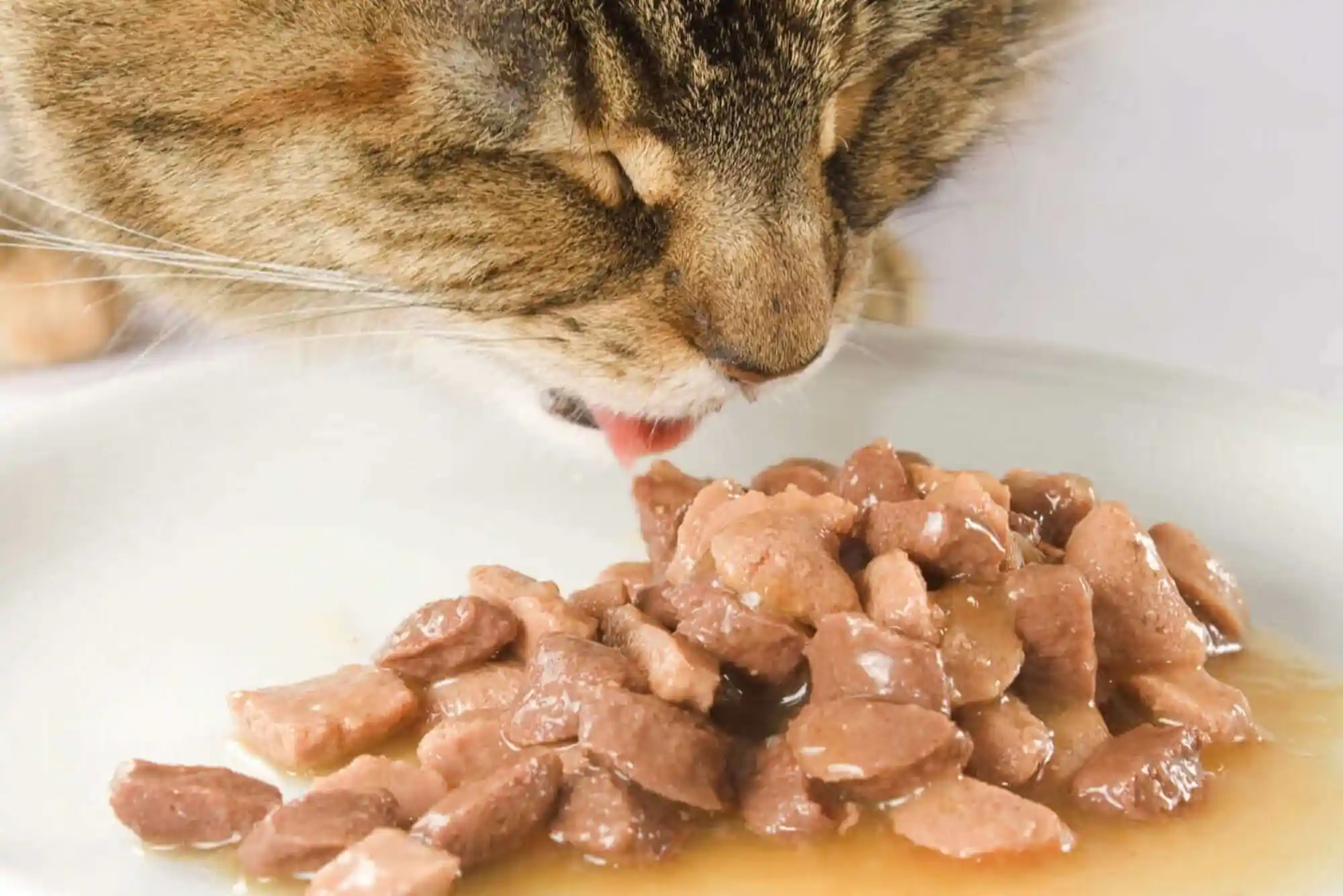
Physical discomfort directly impacts daily routines. Painful dental disease, internal inflammation, or nausea can cause a dramatic loss of appetite or difficulty chewing dry food. Your cat may approach the food bowl enthusiastically but back away after a single bite.
Sleep habits also undergo noticeable changes. While sick cats often sleep more hours out of exhaustion, others experience severe restlessness. You may notice them shifting positions continuously, pacing across rooms, or choosing strange sleeping locations on hard floors instead of soft beds.
Vocalization and Out-of-Character Aggression
Unusual vocal patterns often indicate distress. Excessive meowing, low growling, or soft groaning when moving or adjusting positions signal acute discomfort. Interestingly, cats may also purr intensely when in severe pain, using the low-frequency vibrations as a self-soothing mechanism.
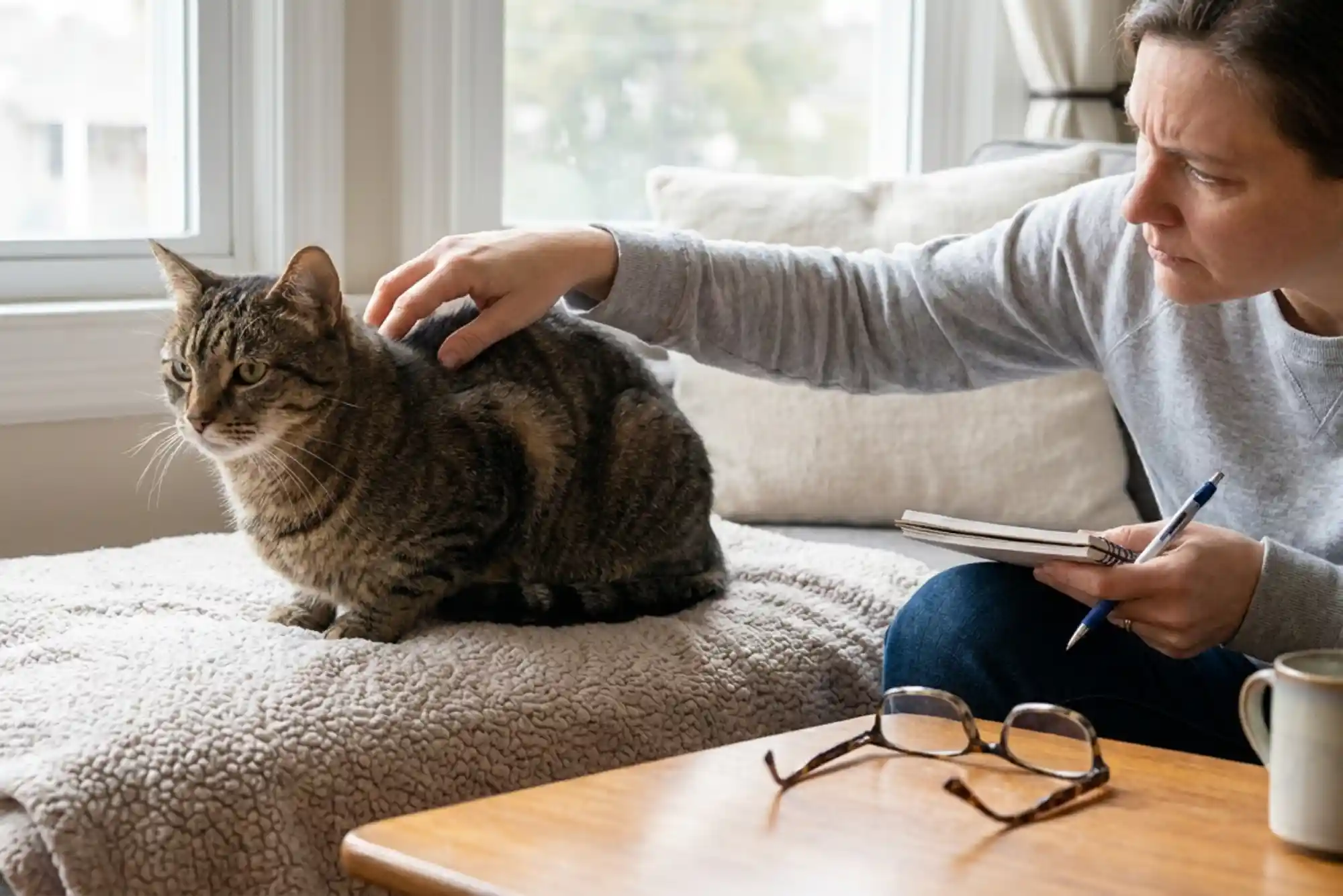
Uncharacteristic aggression is another vital sign. A normally docile cat that swats, hisses, or bites when touched is expressing a protective boundary. This reaction usually happens when you touch or apply pressure to a sore area.
Frequently Asked Questions
How do I know if my cat is in pain or just getting old?
Aging itself is not a painful condition, but conditions like arthritis commonly affect older cats. Slowing down, difficulty jumping, or changes in grooming are signs of treatable pain rather than inevitable aging.
Why do cats hide when they are sick or in pain?
In nature, a sick or injured animal is highly vulnerable to predators. Cats hide as an instinctual defense mechanism to keep themselves safe while their body copes with pain or illness.
Can I give my cat human pain medication for quick relief?
Never give human medications like acetaminophen, ibuprofen, or aspirin to a cat. These medications are extremely toxic to feline organs and can cause fatal toxicity even in tiny doses.
Conclusion
Knowing How to Tell If Your Cat Is in Pain: Subtle Subtle Signs of Feline Sickness empowers you to act as an effective advocate for your pet’s wellbeing. Because cats instinctually mask physical suffering, noticing slight behavioral shifts, grooming changes, mobility declines, or facial expressions is essential for early diagnosis. If you observe any of these red flags in your companion, schedule a thorough diagnostic examination with your veterinarian right away. Prompt medical evaluation ensures your cat receives safe, effective pain management and lives a comfortable, healthy life.