Introduction
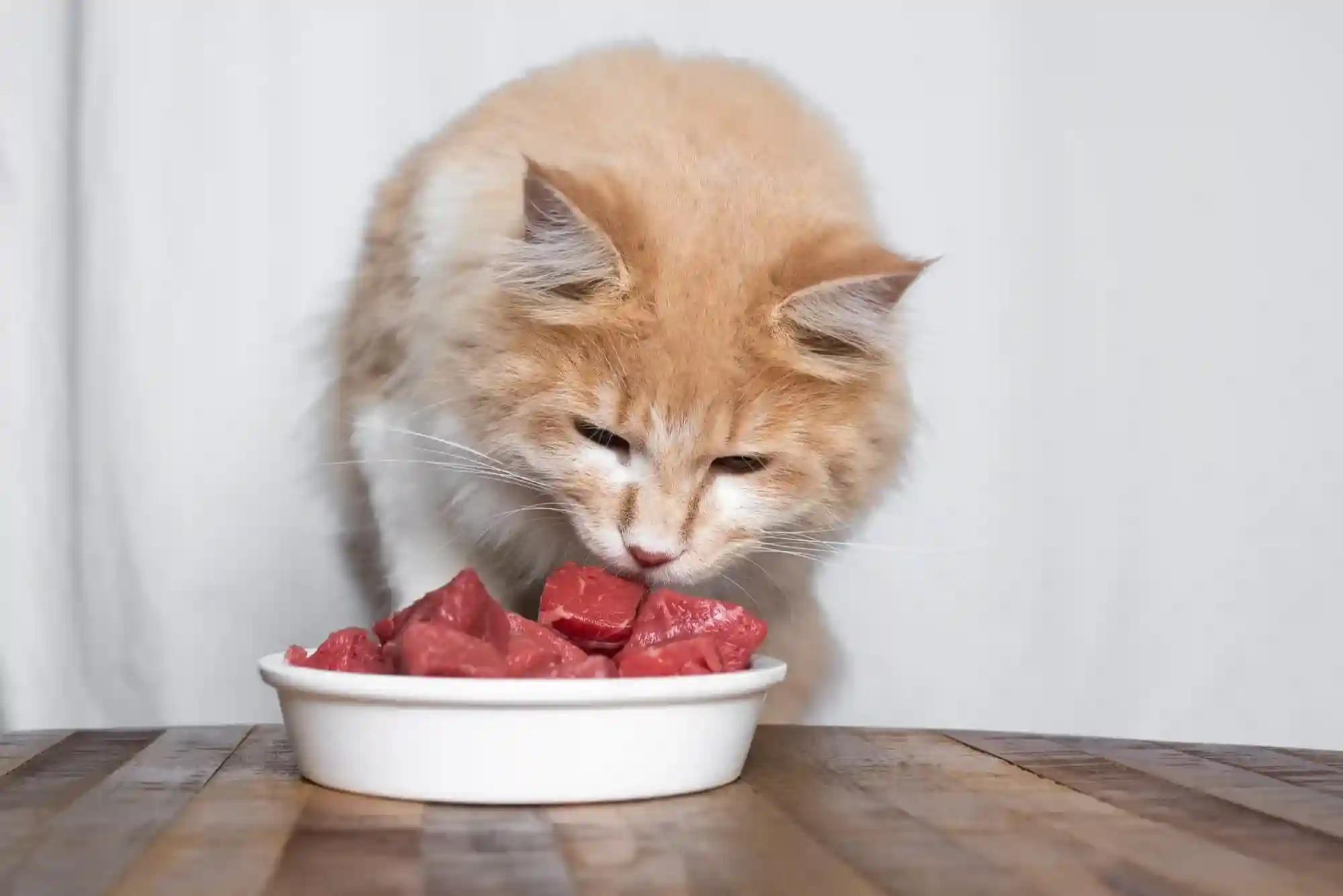
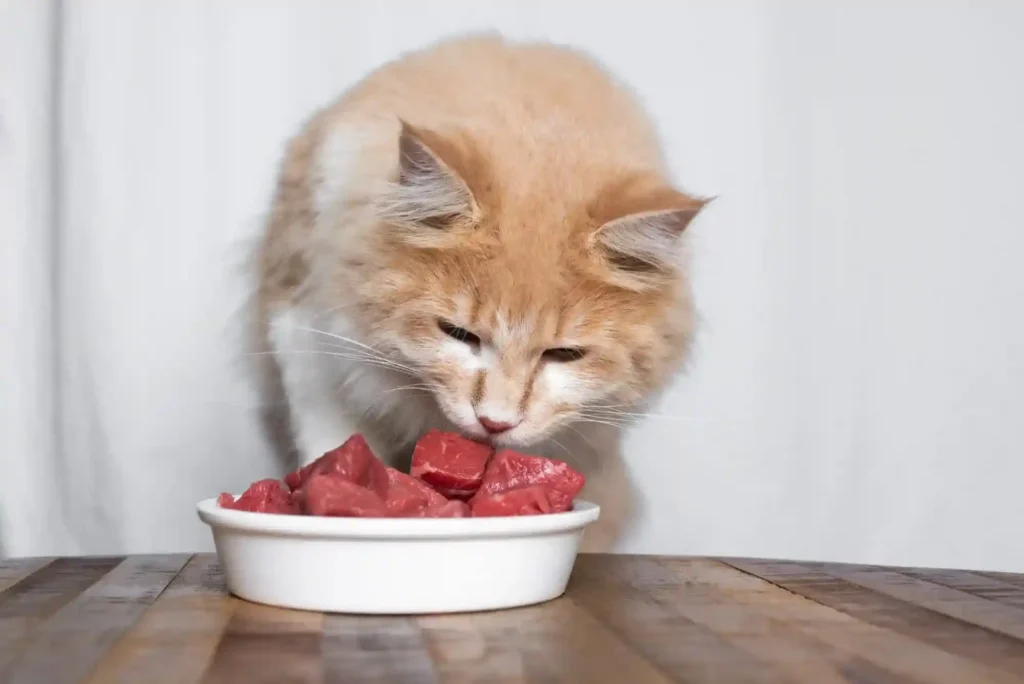
Cats are obligate carnivores, meaning they require nutrients naturally found in animal tissues. This makes their dietary needs different from those of dogs and humans. A raw diet for cats often attracts owners seeking a more natural approach to feline nutrition. However, feeding raw meat involves important nutritional and food safety considerations.
Understanding the Raw Diet for Cats (Obligate Carnivores): Recipes and Safety Rules helps owners make informed decisions about their pets’ meals. Although raw meat can provide protein, an improperly formulated diet may cause serious deficiencies. Raw ingredients can also carry harmful bacteria and parasites. Therefore, responsible feeding requires careful planning, professional guidance, and proper handling.
Understanding Raw Diets for Obligate Carnivores
An obligate carnivore depends on specific nutrients that animal-based foods supply naturally. Cats require protein, taurine, arachidonic acid, and preformed vitamin A. They also need adequate amounts of vitamins, minerals, and essential fatty acids.
Commercial raw diets generally contain uncooked animal ingredients. These may include muscle meat, organs, and carefully measured supplements. Some products also contain ground bones. However, raw meat alone does not provide every nutrient a cat needs.
A balanced feline diet must meet established nutritional requirements throughout the cat’s life. Kittens, pregnant cats, and senior animals may have different dietary considerations. Consequently, choosing a raw diet should involve more than selecting fresh meat.
Potential Benefits and Risks of Raw Feeding
Raw feeding appeals to some owners because meat resembles part of a cat’s natural prey. Animal protein supports muscle maintenance, while dietary fat provides concentrated energy. Moisture-rich meals may also contribute to daily water intake.


Nevertheless, these potential benefits do not prove that raw diets are healthier than complete, balanced cooked diets. Cats can obtain essential nutrients from properly formulated commercial foods. Cooking does not automatically make food nutritionally inferior.
The main concern involves foodborne pathogens, including Salmonella and certain strains of E. coli. Raw animal products may also contain parasites. Cats can become ill after exposure, although some infected animals show no obvious symptoms.
Furthermore, cats may spread harmful microorganisms through their saliva, faeces, bowls, or contaminated household surfaces. This creates additional concerns for households with young children, older adults, pregnant people, or immunocompromised family members.
Nutritional imbalance presents another significant risk. Too little calcium, excessive phosphorus, or inadequate taurine can harm feline health. Excessive vitamin supplementation can also cause toxicity. Therefore, a raw diet requires professional formulation rather than guesswork.
Raw Diet for Cats: Understanding Safe Recipe Formulation
A homemade raw recipe should never rely on meat alone. Chicken breast, beef, or turkey may provide protein, but none supplies every essential nutrient in appropriate proportions. Even adding liver does not automatically create a complete meal.
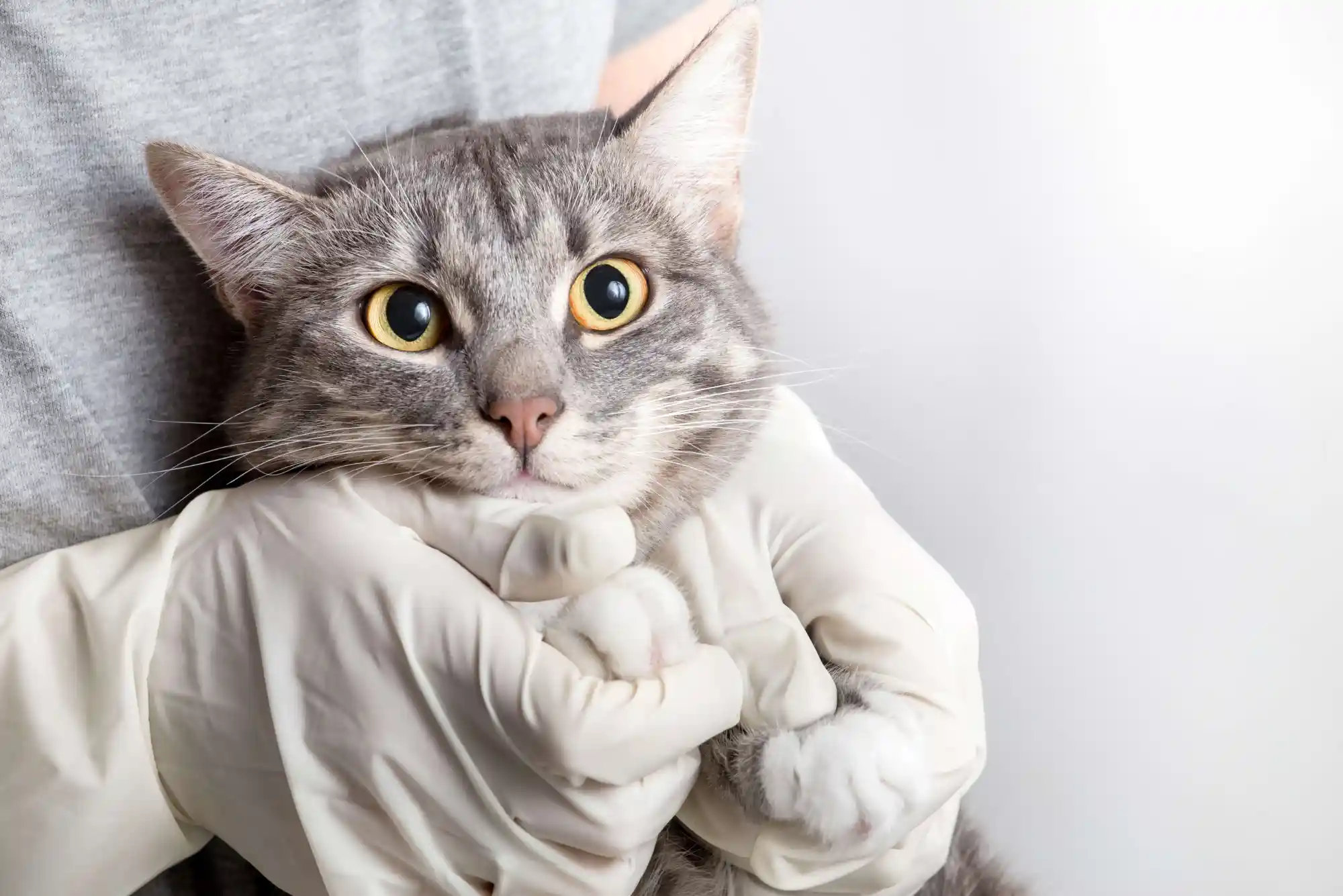
A qualified veterinary nutritionist can formulate a diet using appropriate ingredients and precisely measured supplements. The recipe should account for the cat’s age, weight, health, energy needs, and feeding quantity.
Chicken-Based Recipe Concept
Chicken is a common ingredient in feline feeding plans because it provides animal protein. However, a safe homemade recipe requires more than chopped chicken.
A veterinary nutritionist may use chicken muscle meat alongside specifically measured organ ingredients, a suitable calcium source, essential fatty acids, and a feline vitamin-mineral supplement. Taurine must also be supplied in an appropriate amount.
The exact quantities depend on the complete formulation and preparation method. Nutrient levels can change when ingredients are cooked, drained, or substituted. Therefore, this concept is not a complete recipe and should not be fed as a standalone meal.
Turkey-Based Recipe Concept
Turkey can also serve as a protein source in a professionally formulated feline diet. The formulation may include turkey meat, selected organ ingredients, and supplements tailored to the cat’s nutritional requirements.
However, simply combining turkey, liver, and vegetables does not guarantee nutritional completeness. Cats have specific requirements for several nutrients that improvised recipes may overlook. A veterinary professional should determine the ingredient ratios and supplementation.
Beef-Based Recipe Concept
Beef provides protein, iron, and other nutrients that support normal body functions. Nevertheless, beef alone cannot meet all feline dietary requirements.
A balanced beef-based formulation needs carefully calculated calcium, taurine, vitamins, minerals, and appropriate fat levels. Ingredient substitutions may alter the final nutrient profile. Owners should therefore follow a validated recipe precisely rather than adjusting ingredients independently.
For all three options, the safer approach is to ask a veterinary nutritionist for a complete formulation or select a commercially prepared food labelled complete and balanced for the cat’s life stage.
Raw Diet for Cats: Essential Safety Rules
Food safety is essential whenever owners handle raw animal products. Even high-quality meat can contain microorganisms that are invisible to the naked eye. Careful preparation reduces contamination risks but cannot guarantee that raw food is pathogen-free.
Choose Ingredients Carefully
Purchase ingredients from reputable suppliers and check their storage conditions. Fresh appearance and a pleasant smell do not guarantee microbiological safety. Avoid meat that has passed its use-by date or has been stored improperly.
Human-grade meat is not necessarily safe to serve raw to cats. Products intended for human consumption can still carry harmful pathogens. Choosing suitable ingredients is important, but it does not replace a complete nutritional formulation.
Prevent Cross-Contamination
Keep raw ingredients separate from human food and other pet meals. Use dedicated utensils and preparation surfaces whenever possible. Wash your hands thoroughly with soap and water after handling raw meat.
Clean and disinfect food preparation areas, bowls, and other equipment appropriately. Never allow raw meat juices to contact countertops, ready-to-eat foods, or children’s utensils. These precautions protect both pets and household members.
Store and Thaw Food Properly
Keep raw ingredients refrigerated or frozen according to their storage requirements. Thaw frozen products in the refrigerator rather than on a kitchen counter. Avoid leaving raw meals at room temperature for extended periods.
Prepare portions carefully and refrigerate or discard leftovers promptly according to veterinary food-safety guidance. Freezing does not reliably eliminate every harmful microorganism. Likewise, washing raw meat can spread contaminated droplets around the kitchen.
Understand the Limitations of Raw Bones
Some raw feeding plans include bones, but these carry additional risks. Bones may cause broken teeth, choking, digestive obstruction, or intestinal injuries. Cooked bones can splinter and should never be offered.
Ground bones also require precise formulation because excessive calcium can disturb mineral balance. Never assume bones are necessary for every cat’s diet. A veterinary nutritionist can recommend an appropriate calcium source without relying on potentially hazardous ingredients.
Is a Raw Diet Suitable for Every Cat?
Raw feeding is not appropriate for every household or animal. Kittens have demanding growth requirements, making nutritional mistakes especially concerning. Pregnant and nursing cats also require carefully balanced nutrition.
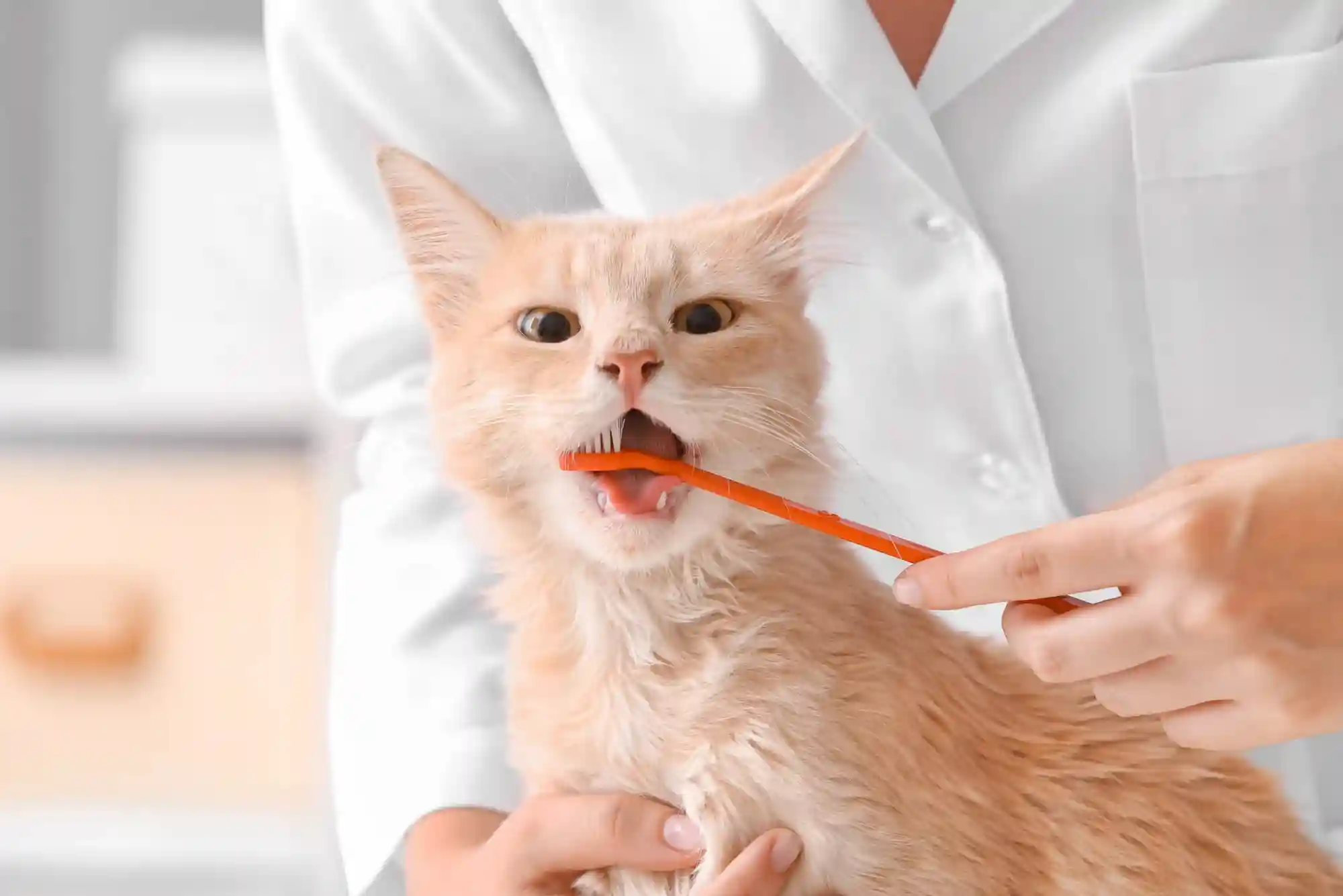
Cats with chronic illnesses may need specific dietary adjustments. Immunocompromised animals can face additional risks from foodborne pathogens. Veterinary guidance is particularly important when a cat has digestive problems, kidney disease, or other medical conditions.
Household circumstances matter, too. Families with vulnerable members may prefer complete commercial foods that are cooked or otherwise processed to reduce pathogen risks. Discussing individual circumstances with a veterinarian helps determine the safest feeding approach.
Healthier Alternatives to Homemade Raw Feeding
Owners who want to support their cats’ natural nutritional needs have several alternatives. Complete commercial cat foods can supply the essential nutrients required for normal health. Wet food also provides substantial moisture, which can support overall hydration.
Some manufacturers offer commercially prepared raw products. However, these foods can still carry pathogens, and their nutritional completeness varies. Check the product’s nutritional adequacy statement and ask your veterinarian about its safety.
Gently cooked diets formulated for cats may provide another option. Cooking reduces many foodborne risks, although the finished diet must still meet feline nutritional requirements. Avoid assuming that homemade cooked meals are automatically balanced.
Ultimately, the best diet provides complete nutrition, suits the cat’s health needs, and can be handled safely. A natural appearance alone does not determine nutritional quality.
Frequently Asked Questions
Is a raw diet good for obligate carnivores?
Cats need animal-derived nutrients, but they do not specifically require raw meat. A complete, balanced diet can meet their nutritional needs without exposing them to the additional hazards associated with uncooked animal products. Discuss dietary changes with a veterinarian.
Can I feed my cat raw chicken every day?
Raw chicken alone is not a complete diet for cats. It may lack essential nutrients or provide them in incorrect proportions. It can also carry harmful bacteria. Choose a complete feline diet or obtain a professionally formulated feeding plan.
What is the safest raw food for cats?
No raw animal product is guaranteed to be free from harmful pathogens. Commercial products labelled complete and balanced may offer better nutritional consistency, but raw versions still carry microbiological risks. Cooked, complete feline diets are generally a safer option regarding foodborne pathogens.
Do cats need taurine in their diet?
Yes. Taurine is essential for cats and supports normal vision, heart function, reproduction, and other biological processes. Inadequate intake can cause serious health problems. Any homemade diet must supply taurine in an appropriate amount.
Can I make a balanced raw cat food recipe at home?
Yes, a homemade diet can be formulated to meet feline nutritional requirements. However, it requires precise ingredient quantities and suitable supplementation. Consult a veterinary nutritionist rather than relying on generic meat-based recipes found online.
Conclusion
The Raw Diet for Cats (Obligate Carnivores): Recipes and Safety Rules highlights an important distinction between feeding animal protein and providing complete feline nutrition. Cats require specific nutrients, but raw meat alone cannot satisfy all their dietary needs.