
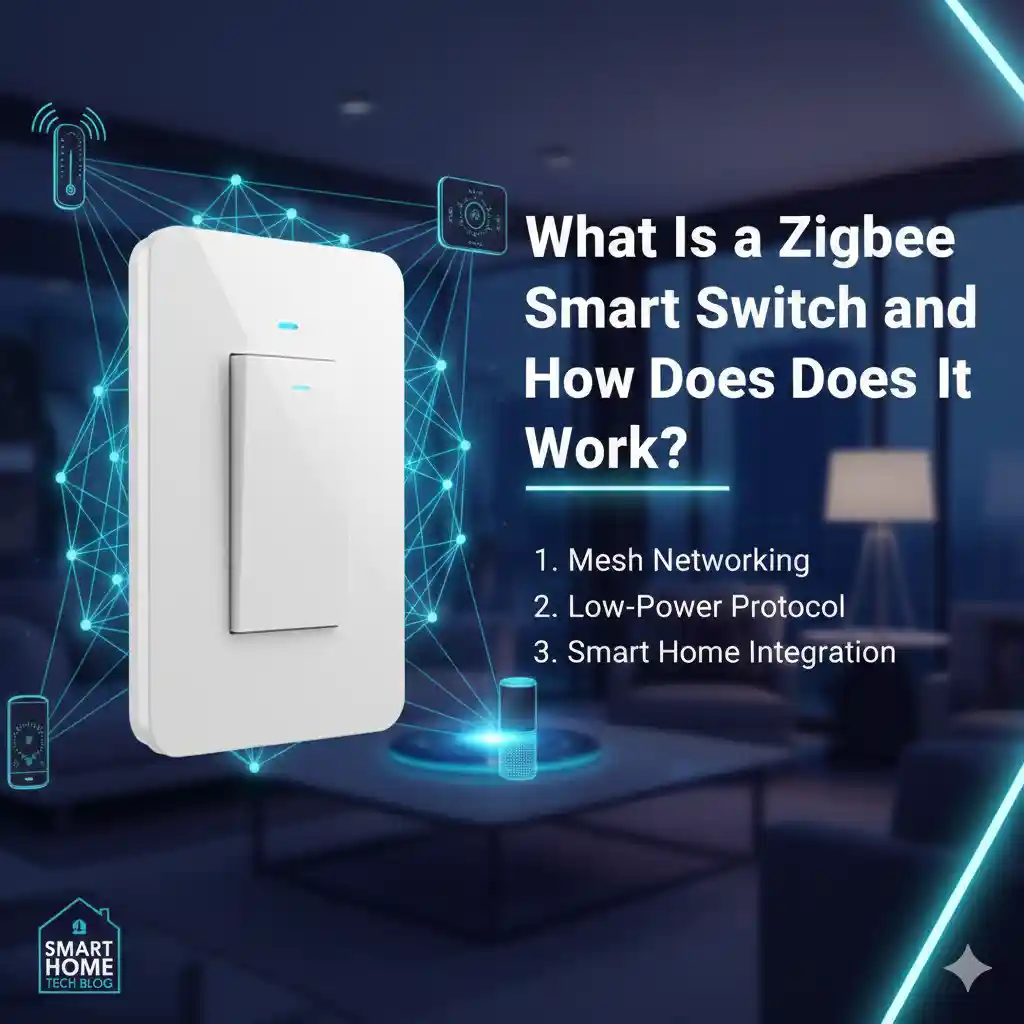
What Is a Zigbee Smart Switch and How Does It Work?
A Zigbee smart switch is one of the most reliable and energy-efficient upgrades you can add to a modern smart home. It replaces a traditional wall switch and allows you to control your lights or connected devices wirelessly through a smartphone, smart hub, or voice assistant. What makes this technology especially appealing is its ability to create a stable and low-power communication network, giving homeowners smoother automation and more dependable performance compared to Wi-Fi–only devices.
A Zigbee smart switch works by using the Zigbee protocol, a global wireless standard designed for smart home communication. Instead of relying on a single Wi-Fi network, Zigbee devices talk to each other through a mesh structure. This means every device becomes a small signal extender, keeping the entire system strong even if one connection is interrupted. When you press the smart switch or make a command through your phone, the signal travels through the mesh network and performs the action almost instantly.
Why Zigbee Is Different from Wi-Fi-Based Smart Switches
A major advantage of Zigbee smart switches is that they do not consume much bandwidth or power. Wi-Fi switches depend heavily on a strong router connection, and when multiple devices share the same network, performance can slow down. Zigbee avoids this issue by using its own communication standard, allowing dozens or even hundreds of devices to work together without stressing the home internet. This makes it ideal for homeowners planning to expand their smart home system gradually.
Another key difference is that Zigbee is built specifically for automation. Its mesh architecture increases stability and reduces signal dropouts. Even if the switch is far from the main hub, nearby Zigbee devices can relay signals, keeping the entire system responsive. This is especially helpful in large homes or buildings with thick walls that normally weaken Wi-Fi signals.
How a Zigbee Smart Switch Connects and Operates
Setting up a Zigbee smart switch usually begins with installing the switch into the wall, just like a regular electrical switch. Once powered, it pairs with a Zigbee hub, which could be a dedicated smart home gateway or a built-in hub included in many smart speakers. Once paired, the switch becomes part of the mesh and begins communicating with other Zigbee-compatible devices.
When you interact with the switch, it sends a command to the hub, which then processes the request and triggers the appropriate action, such as turning a light on, dimming it, or activating a preset routine. Because Zigbee communication is designed to be lightweight and efficient, the response feels quick and natural. This makes everyday tasks, such as turning off all lights at night or setting mood lighting, much more convenient.
Benefits of Using a Zigbee Smart Switch in Modern Homes
A Zigbee smart switch offers several practical benefits that help improve comfort as well as energy efficiency. Homeowners appreciate how seamlessly it integrates into existing smart ecosystems. Since Zigbee is widely supported, the switch can work with various brands and platforms, allowing you to choose the system that best fits your needs without being tied to a single manufacturer.
Another convenience is the ability to control lighting remotely. Whether you are at work, traveling, or simply relaxing in another room, you can operate the switch through your smartphone or voice assistant. This helps enhance security by making it appear as if someone is home even when the house is empty. Automation routines can also reduce unnecessary power usage by turning lights off automatically at scheduled times.
In addition to comfort and efficiency, Zigbee smart switches tend to be more reliable over long periods. Because they use low energy and distribute communication across multiple devices, they experience less strain and have a longer operating life compared to devices that rely solely on Wi-Fi. For anyone building a long-term smart home setup, this reliability is a significant advantage.
How Zigbee Mesh Networking Enhances Performance
The mesh network is the core strength of a Zigbee smart switch. Each device connected to the network acts as a node that can send and receive data. As more nodes are added, the network grows stronger instead of becoming overloaded. This is a major improvement over traditional Wi-Fi setups, where additional devices often weaken performance.
The mesh structure also means that a Zigbee smart switch can remain connected even in challenging environments. If a direct path to the hub is blocked, the signal automatically routes through nearby nodes, ensuring commands are delivered smoothly. This flexibility helps maintain consistent operation, which is essential for lighting systems, where responsiveness is key.
Compatibility and Integration with Smart Home Ecosystems
Zigbee smart switches are designed with interoperability in mind. Many popular smart home platforms, such as Amazon Alexa, SmartThings, and Hubitat, support Zigbee. This gives homeowners the freedom to build a mixed-brand environment where different devices cooperate seamlessly. A single voice command can trigger multiple Zigbee devices to work together, enhancing home automation possibilities.
For homeowners upgrading from traditional switches, compatibility also includes support for both manual and digital control. Even if the smart hub is offline temporarily, the physical switch still functions normally, ensuring uninterrupted operation. This hybrid approach provides reliability and offers flexibility for users who prefer manual control at certain times.
Use Cases That Highlight the Value of a Zigbee Smart Switch
The most common use case for a Zigbee smart switch is lighting control. Homeowners can create scenes that adjust brightness or switch between lighting styles depending on the time of day or activity. Morning routines can brighten lights gradually, while evening routines can dim them for relaxation.
Zigbee smart switches are also valuable in homes with multiple rooms or floors. Through automation, all lights can be turned off with a single command before leaving the house. Parents can manage children’s room lights remotely to ensure they are turned off after bedtime. Advanced setups can even combine switches with motion sensors, ensuring lights activate only when someone enters a room.
Is a Zigbee Smart Switch Worth the Investment?
For anyone looking to build a scalable, stable, and future-ready smart home, a Zigbee smart switch offers strong value. Its low-power operation, mesh networking capabilities, and wide compatibility make it a dependable choice. It delivers faster performance, better automation, and more device connections compared to Wi-Fi-based alternatives.
While the need for a Zigbee hub adds a small initial cost, the long-term benefits outweigh this requirement. Once connected, the switch enhances both convenience and energy efficiency, making daily living smoother and more controlled. As smart home technology continues to grow, choosing a system built on a reliable protocol like Zigbee ensures you are prepared for future upgrades.
Conclusion
A Zigbee smart switch brings together reliability, efficiency, and intelligent control in one modern device. By operating through a mesh network and supporting seamless integration, it elevates home automation far beyond simple wireless switching. Whether you are starting your smart home journey or expanding an existing setup, a Zigbee smart switch provides the stability and flexibility needed for a smoother and smarter living experience.