Introduction
If you are wondering, why is my cat peeing outside the litter box, you are not alone. This frustrating behavior can happen even with well-trained cats. However, your cat is rarely doing it out of spite or revenge. In most cases, something has changed in your cat’s health, environment, routine, or litter box experience.
The first step is finding the actual cause. Medical problems should be considered before assuming the behavior is simply a training issue. Urinary discomfort, stress, litter preferences, and poor litter box placement can all contribute to accidents.
Understanding why is my cat peeing outside the litter box can help you respond calmly and effectively. With the right approach, many cats can return to using their litter box consistently.
Why Is My Cat Peeing Outside the Litter Box?
When a cat suddenly stops using the litter box, there is usually a reason. Some cats develop urinary problems that make urination painful or urgent. Others dislike the litter, location, cleanliness, or design of their box.
Stress can also play a major role. A new pet, household changes, construction noise, or conflict with another cat may affect litter box habits.
Therefore, avoid punishing your cat. Punishment can increase fear and stress without solving the underlying problem.


1. Your Cat May Have a Urinary Health Problem
One of the most important answers to why is my cat peeing outside the litter box is an underlying medical condition. Urinary tract infections, bladder inflammation, urinary crystals, bladder stones, kidney disease, and other conditions can change normal urination habits.
A cat with urinary discomfort may associate the litter box with pain. As a result, your cat may begin looking for another place to urinate.
You may also notice frequent trips to the litter box, small amounts of urine, blood in the urine, excessive licking, or obvious discomfort.
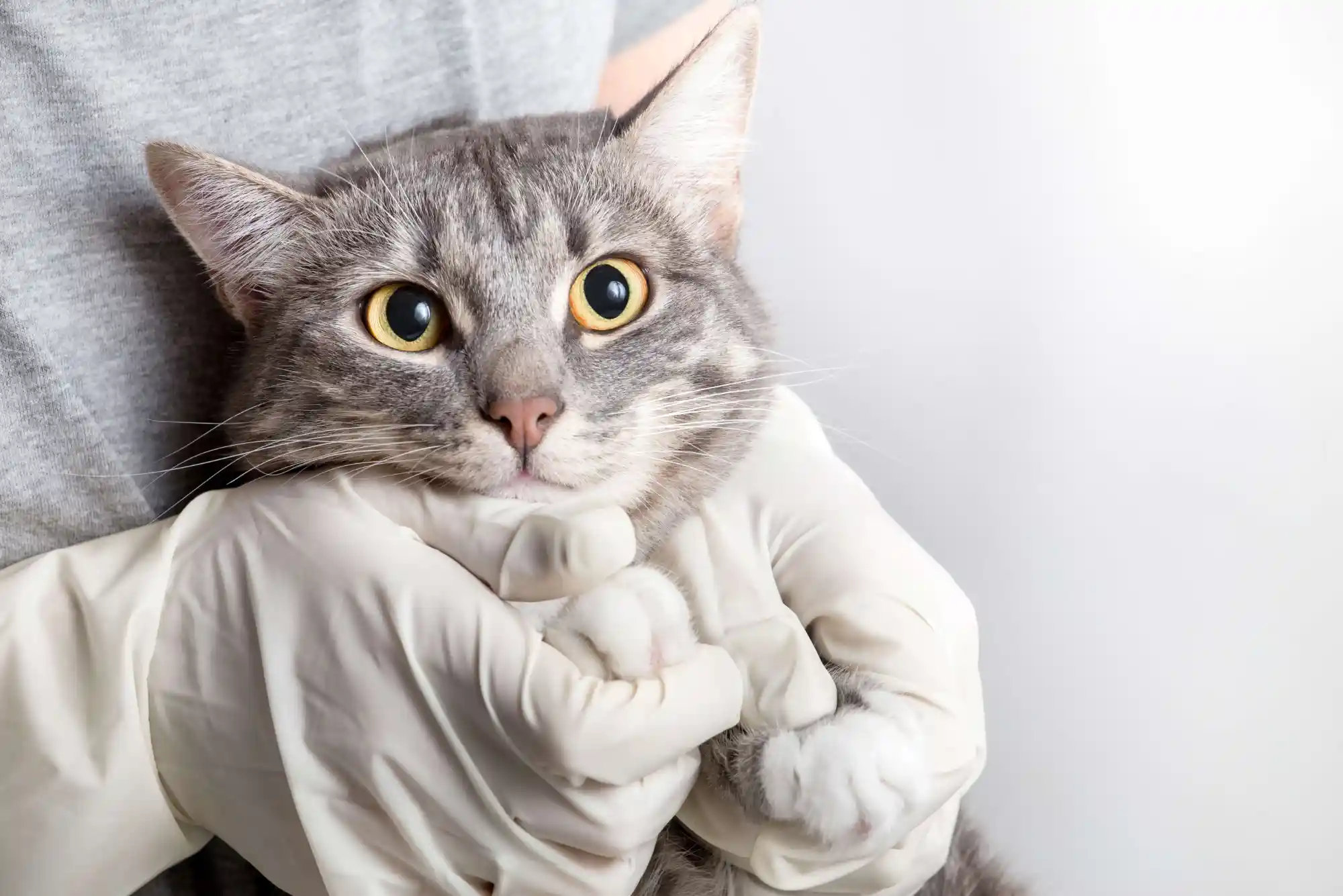
If the behavior started suddenly, arrange a veterinary examination. A veterinarian can assess your cat and recommend tests such as urinalysis or bloodwork when appropriate.
A urinary blockage can be an emergency
Pay particular attention if your cat repeatedly strains but produces little or no urine. This can indicate a urinary obstruction, especially in male cats. A complete blockage requires immediate veterinary attention.
Do not wait for the behavior to improve on its own when your cat appears unable to urinate.
2. The Litter Box Is Too Dirty
Cats have strong preferences about cleanliness. A litter box that smells unpleasant or contains too much waste may become unacceptable to your cat.
This is especially important in homes with several cats. One box can become dirty quickly when multiple cats use it.
Scoop the box regularly and maintain a consistent cleaning routine. Thoroughly clean the box periodically using a gentle, cat-safe approach.
If your cat repeatedly avoids a dirty box, improving cleanliness may make a significant difference. Veterinary guidance commonly recommends daily scooping as part of good litter box management.
3. Your Cat Dislikes the Litter
Another common explanation for why is my cat peeing outside the litter box is litter preference. Cats can be surprisingly particular about texture, scent, and depth.
Some cats dislike strongly scented litter. Others may dislike a sudden change from the litter they have used for years.
If you recently changed brands, textures, or fragrances, consider whether the timing matches your cat’s behavior.
A gradual transition is usually easier than making an abrupt change. You can also offer different acceptable litter options and observe which one your cat consistently chooses.
Unscented litter with a comfortable texture is often preferred by cats, although individual preferences vary.
4. The Litter Box Location Feels Unsafe
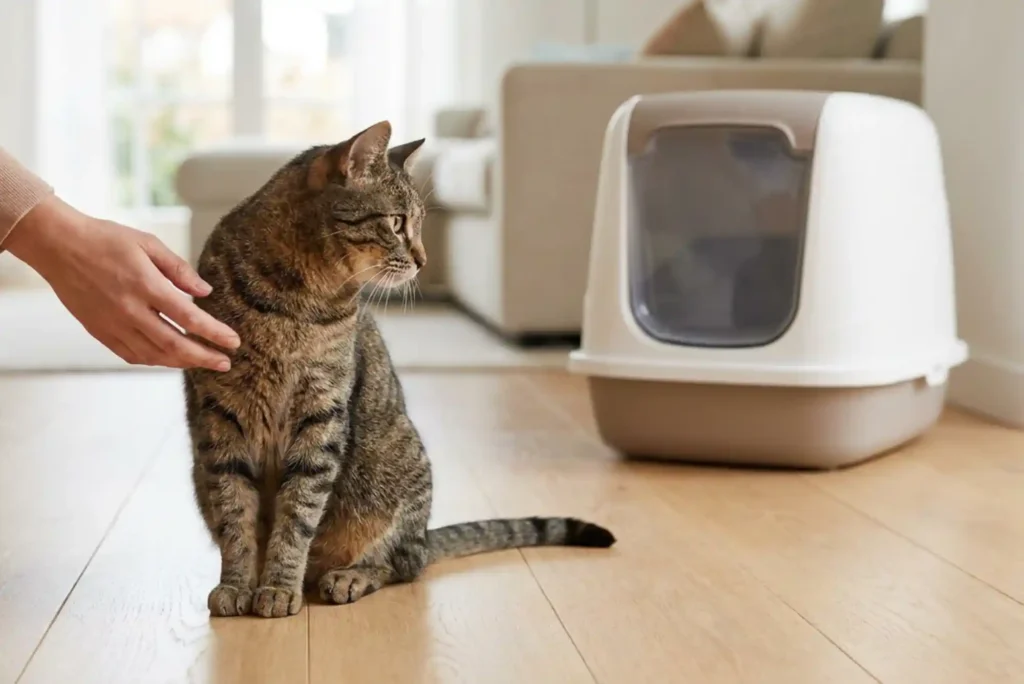
Location matters more than many owners realize. Cats generally need a place where they can eliminate without feeling trapped or threatened.
A box beside a loud washing machine may be uncomfortable. A box in a busy hallway may provide too little privacy. A location where another pet can block the exit can also create fear.
Older cats may struggle if the box is located far away or requires climbing stairs. Arthritis and mobility problems can make difficult access even more challenging.
Try placing the litter box somewhere quiet, accessible, and easy to escape. Avoid locations where another animal can easily corner your cat.
Once your cat accepts a suitable location, avoid moving the box unnecessarily.
5. There Are Not Enough Litter Boxes
If you have multiple cats, competition may explain why is my cat peeing outside the litter box.
One cat may guard access to a favorite box. A timid cat may avoid entering if another cat is nearby. This can happen even when the cats appear friendly most of the time.
A widely recommended approach is to provide one litter box for each cat, plus one extra. The boxes should also be distributed around the home rather than placed together.
This arrangement gives cats more choice and reduces competition.
For example, if you have two cats, consider providing three accessible boxes. This does not guarantee success, but it can significantly improve access.
6. Your Cat Is Experiencing Stress
Stress is another important reason behind inappropriate urination. Cats often respond to environmental changes in subtle ways.
A new pet, a visiting guest, furniture changes, moving house, construction, or conflict between cats can affect your cat’s sense of security. Even changes to daily routines can matter for sensitive cats.
Stress-related urination can sometimes occur alongside bladder inflammation. Therefore, behavioral and medical causes can overlap.
Keep your cat’s routine predictable when possible. Provide quiet resting areas and safe hiding places. Give your cat regular playtime and attention without forcing interaction.
If anxiety appears severe or persistent, speak with your veterinarian about appropriate behavioral support.
7. Your Cat May Be Marking Territory
Not every urination accident is ordinary bathroom behavior. Some cats use urine marking to communicate territory.
Marking often involves small amounts of urine sprayed onto vertical surfaces. A cat may stand with its tail raised while spraying. Traditional urination usually creates a larger amount on a horizontal surface.
Territorial marking can become more common when cats feel threatened or when another animal enters their environment. Outdoor cats visible through windows can sometimes contribute to territorial tension.
Neutering or spaying may reduce certain forms of urine marking, although it does not solve every case. Environmental management is also important.
If marking continues, your veterinarian can help determine whether the behavior is territorial or related to another problem.
How Can You Stop a Cat From Peeing Outside the Litter Box?
Once you understand why is my cat peeing outside the litter box, the solution becomes much clearer.
Start with a veterinary examination when the behavior is new or unexplained. This is especially important when your cat shows urinary discomfort, changes in appetite or thirst, blood in the urine, frequent urination, or straining.
Next, review the litter box environment. Make sure the box is clean, accessible, comfortable, and located somewhere your cat feels safe.
Consider the litter itself as well. If you recently changed products, returning to a previously accepted litter may help.
You should also clean previously soiled areas thoroughly. Cats may return to familiar urine smells, so proper cleaning can help prevent repeated accidents.
Most importantly, remain patient. Scolding your cat can increase stress and potentially make the problem worse.
Why Is My Cat Peeing Outside the Litter Box but Still Pooping in It?
This is a common concern among cat owners. If your cat continues to poop inside the box but urinates elsewhere, it does not necessarily mean your cat has forgotten litter box training.
Urinary discomfort, stress, litter preferences, or negative associations with urination may be involved. Medical causes should still be considered, particularly when the behavior appears suddenly.
Observe where your cat urinates and how much urine is produced. Also watch for straining, frequent attempts, vocalization, or changes in normal behavior.
These details can help your veterinarian understand what may be happening.
When Should You Take Your Cat to the Vet?
A sudden change in litter box behavior deserves attention. Cats can hide signs of illness, so an accident may sometimes be one of the earliest visible clues.
Contact your veterinarian if your cat repeatedly urinates outside the box, strains to urinate, produces very little urine, has blood in the urine, drinks much more than usual, or appears painful.
Seek urgent veterinary care if your cat repeatedly attempts to urinate but produces little or no urine. A urinary obstruction can become life-threatening and should not be managed at home.
Frequently Asked Questions
Why is my cat suddenly peeing outside the litter box?
A sudden change can be caused by urinary disease, pain, stress, litter box problems, or environmental changes. Veterinary sources recommend ruling out medical causes first.
Should I punish my cat for peeing outside the litter box?
No. Punishment does not address the underlying cause and can increase fear or stress. Instead, investigate medical, environmental, and behavioral causes.
Why is my cat peeing over the edge of the litter box?
Your cat may be uncomfortable inside the box, or the box may be too small. Mobility problems can also affect how an older cat positions itself.
How many litter boxes should I have for my cat?
A common recommendation is one box per cat plus one additional box. Spreading them around the home can also reduce competition.
Can stress make a cat pee outside the litter box?
Yes. Stress and environmental changes can contribute to inappropriate urination. Maintaining a predictable routine and providing safe spaces can help reduce stress.
Conclusion
If you are asking, why is my cat peeing outside the litter box, remember that the behavior is usually a signal rather than an act of defiance.
Medical problems, dirty boxes, unsuitable litter, poor placement, insufficient boxes, stress, and territorial marking can all contribute. The right solution depends on identifying the actual cause.