Introduction
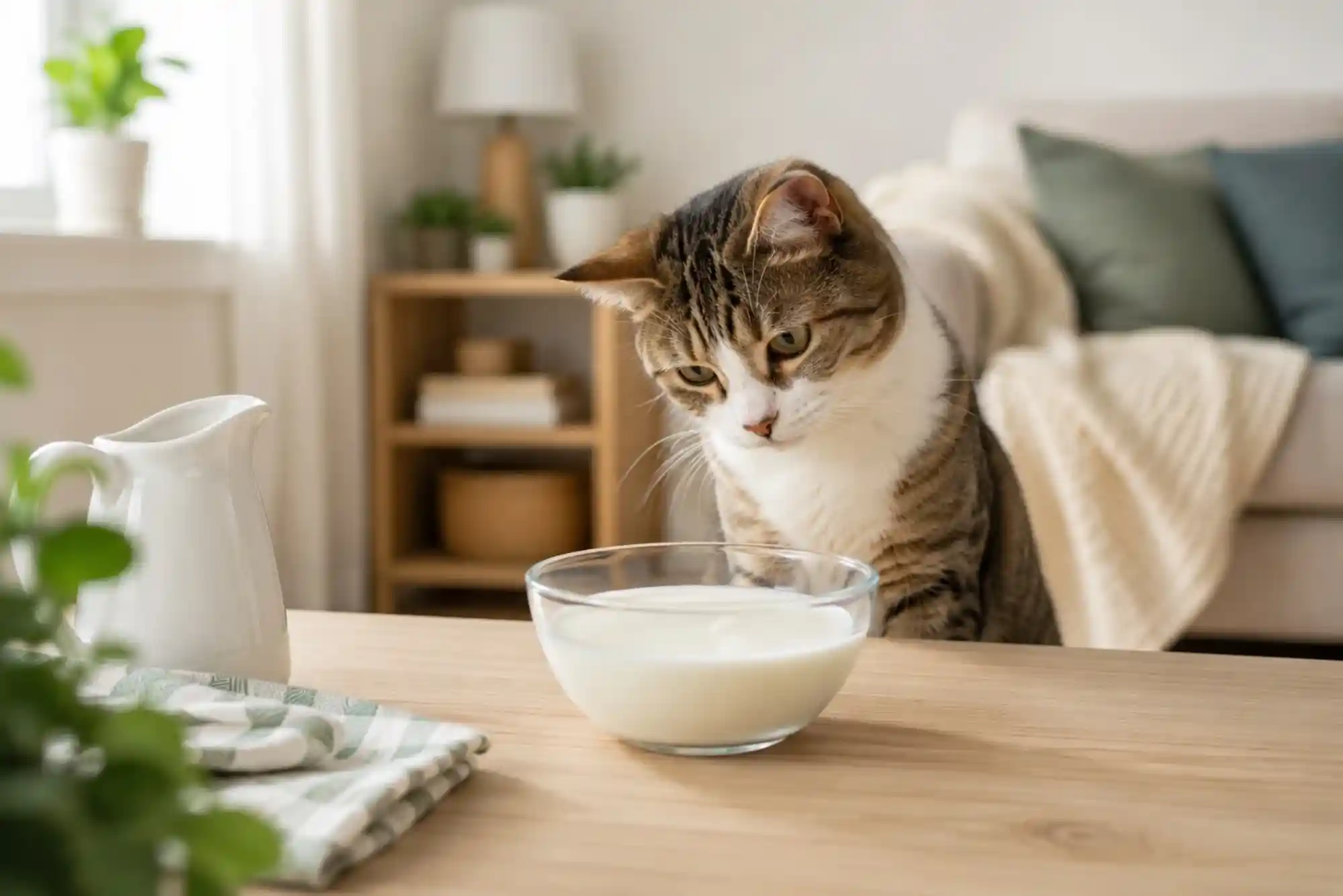
Can Cats Drink Milk? Lactose Intolerance and Safe Hydration is an important topic for every cat owner. Many people imagine cats happily drinking a bowl of milk. However, the reality is more complicated. Most adult cats cannot digest milk comfortably.
Kittens can digest their mother’s milk because they produce an enzyme called lactase. This enzyme helps break down lactose, the natural sugar found in milk. As kittens grow, their lactase production usually decreases.
As a result, ordinary cow’s milk can cause digestive problems in adult cats. Some cats may tolerate a tiny amount, but that does not make milk a suitable everyday drink.
So, can cats drink milk safely? Generally, fresh water should always be their main source of hydration. Understanding lactose intolerance can help you make better choices for your cat’s health.
Can Cats Drink Milk Safely?
Can Cats Drink Milk? Lactose Intolerance and Safe Hydration starts with understanding what happens inside a cat’s digestive system. Cats are mammals, but adult cats are not naturally designed to consume large amounts of milk.
When a cat drinks milk, lactose enters the digestive tract. If the cat does not produce enough lactase, the lactose remains poorly digested. It then reaches the large intestine, where gut bacteria ferment it.


This process can lead to gas, abdominal discomfort, loose stools, or diarrhea. Some cats may also vomit after drinking milk. The severity depends on the individual cat and the amount consumed.
A small amount of milk may not cause noticeable symptoms in every cat. Nevertheless, regular milk consumption can create unnecessary digestive problems.
Therefore, milk should not replace water. It also should not be treated as a necessary part of an adult cat’s diet.
Why Are Cats Often Lactose Intolerant?
Lactose intolerance develops because many cats produce less lactase after weaning. This is a normal biological change rather than an illness.
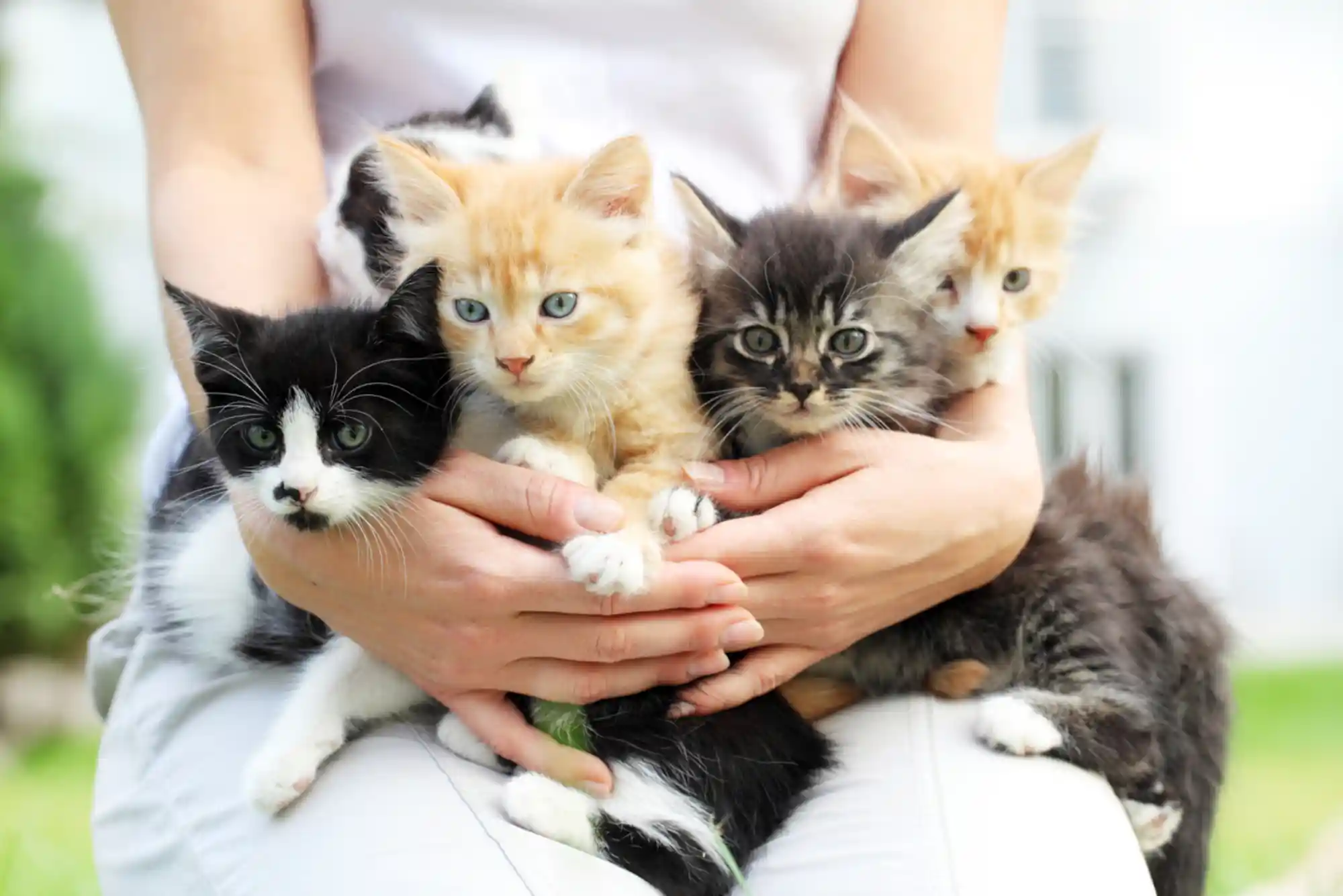
Young kittens need milk from their mother during their earliest stage of life. Their digestive systems are adapted to process their mother’s milk.
After weaning, their nutritional requirements change. They begin eating solid food and gradually lose much of their ability to digest lactose.
This explains why a kitten and an adult cat can react differently to milk. A very young kitten may require specially formulated milk if it cannot nurse.
However, regular cow’s milk is not an appropriate replacement for a mother cat’s milk. Orphaned kittens need a veterinary-approved kitten milk replacer.
What Happens When a Cat Drinks Too Much Milk?
The effects of milk can vary considerably between individual cats. Some cats develop symptoms quickly, while others appear unaffected after a small serving.
The most common problem is digestive upset. A lactose-intolerant cat may develop diarrhea several hours after drinking milk.
Gas and bloating can also occur. In some cases, cats may experience abdominal discomfort or become less interested in food.
Vomiting is another possible reaction. However, repeated vomiting should not automatically be blamed on milk.
If vomiting or diarrhea continues, contact a veterinarian. Dehydration can become dangerous, especially in kittens, senior cats, or cats with existing health problems.
Is Lactose-Free Milk Safe for Cats?
Lactose-free milk may be easier for some cats to digest. It contains little or no lactose, depending on the product.
However, lactose-free does not mean nutritionally necessary. Many commercial milk products still contain calories and other ingredients that cats do not need.
Some products may also contain added sugars, flavorings, or other ingredients. Therefore, always check the label before giving any human milk product to a cat.
Specially formulated cat milk is different from ordinary cow’s milk. These products are designed with cats in mind and may contain reduced lactose.
Even then, cat milk should be considered an occasional treat. It should not replace fresh drinking water.
What Should Cats Drink Instead of Milk?
Water is the best everyday drink for healthy cats. It supports normal body functions and helps maintain proper hydration.
Some cats naturally drink little water. This can be especially noticeable in cats eating mostly dry food.
Fortunately, there are several ways to encourage better hydration. Providing multiple clean water bowls can make drinking more convenient.
Some cats prefer running water. A properly maintained pet water fountain may encourage these cats to drink more frequently.
Wet cat food can also contribute substantial moisture to the daily diet. This can be particularly useful for cats that do not drink much from their bowls.
Keeping water fresh is equally important. Wash bowls regularly and replace stale water throughout the day.
Can Cats Drink Milk Instead of Water?
No. Milk should never be used as a replacement for water.
Even lactose-free milk does not provide the same role as clean drinking water. Milk contains calories and nutrients that can contribute to excessive calorie intake.
Regular milk consumption can also cause digestive problems in lactose-intolerant cats. Over time, this can make hydration more complicated rather than easier.
For healthy cats, fresh water should remain available throughout the day. If your cat suddenly stops drinking, however, the situation deserves attention.
A sudden reduction in water intake can sometimes accompany illness. Kidney problems, dental pain, gastrointestinal disease, and other conditions may affect drinking behavior.
Can Kittens Drink Cow’s Milk?
Kittens should not be given ordinary cow’s milk as a substitute for their mother’s milk. Cow’s milk does not provide the nutritional balance that growing kittens require.
Very young kittens need appropriate milk from their mother whenever possible. If the mother is unavailable, a veterinarian can recommend a suitable kitten milk replacer.
This distinction is particularly important because newborn kittens have demanding nutritional requirements. Improper feeding can contribute to poor growth and digestive problems.
Once kittens are weaned, they should transition to nutritionally complete kitten food. Fresh water should also become available as they begin eating solid foods.
Signs Your Cat May Be Dehydrated
Understanding hydration is more important than offering milk. Cats can become dehydrated for several reasons, including illness, vomiting, diarrhea, heat, or inadequate water intake.
A dehydrated cat may appear tired or less active than usual. Its gums may also feel drier than normal.
Other changes can include reduced appetite, weakness, or changes in urination. However, these symptoms can have many causes.
If you suspect significant dehydration, contact your veterinarian promptly. Severe dehydration may require professional treatment.
Never rely on milk to correct dehydration. Proper veterinary care and appropriate fluids are much safer solutions.
How to Encourage a Cat to Drink More Water
Some cats are naturally selective about their drinking water. Small environmental changes can sometimes encourage better drinking habits.
Try placing water bowls in quiet areas where your cat feels comfortable. Keep them away from litter boxes and areas with heavy household traffic.
You can also provide several bowls around the home. This gives your cat convenient access to water in different locations.
Some cats prefer wide, shallow bowls. Others prefer ceramic or stainless-steel containers because they retain fewer odors than some plastic bowls.
A water fountain may also appeal to cats that enjoy moving water. Clean the fountain regularly to prevent buildup and maintain water quality.
Adding moisture through wet food can provide another practical option. Discuss dietary changes with your veterinarian if your cat has a medical condition.
When Should You Contact a Veterinarian?
Occasional mild diarrhea after drinking milk may resolve once the milk is removed. However, persistent or severe symptoms require professional attention.
Contact a veterinarian if your cat has repeated vomiting or prolonged diarrhea. You should also seek advice if your cat refuses water or food.
Sudden changes in urination deserve attention as well. Urinary problems can become serious, particularly in male cats.
If your cat appears extremely weak, collapses, struggles to breathe, or shows other severe symptoms, seek emergency veterinary care.
The key point is simple. Do not assume every digestive problem is caused by lactose intolerance.
Can Cats Drink Milk? Lactose Intolerance and Safe Hydration: The Bottom Line
Can Cats Drink Milk? Lactose Intolerance and Safe Hydration is ultimately about understanding what your cat actually needs.
Most adult cats have reduced lactase production after weaning. Consequently, ordinary cow’s milk can cause diarrhea, gas, bloating, or vomiting.
Some cats may tolerate small quantities without obvious symptoms. However, tolerance does not make milk necessary or nutritionally ideal.
Fresh water remains the safest everyday drink for most cats. Wet food, clean bowls, and suitable water fountains can also support healthy hydration.
If you want to offer a milk-based treat, choose a cat-specific product and use it sparingly. Avoid treating milk as a replacement for water.
Most importantly, pay attention to changes in your cat’s drinking, eating, urination, and bathroom habits. These changes can sometimes provide early clues that something is wrong.
Frequently Asked Questions
Can cats drink milk?
Some cats can tolerate small amounts of milk, but many adult cats are lactose intolerant. Regular cow’s milk may cause digestive upset. Fresh water is a better everyday choice.
Is milk bad for cats?
Milk is not necessarily toxic to cats, but it can cause digestive problems. Lactose-intolerant cats may develop diarrhea, gas, bloating, or vomiting after drinking it.
Can cats drink lactose-free milk?
Lactose-free milk is generally easier for lactose-intolerant cats to digest. However, it is still unnecessary for most cats. Cat-specific milk products may be more appropriate as occasional treats.
Why do cats like milk?
Cats may enjoy the taste, smell, fat content, or texture of milk. However, enjoying milk does not mean their digestive system can process it effectively.
Can kittens drink cow’s milk?
Cow’s milk should not replace a mother cat’s milk or a proper kitten milk replacer. Young kittens have specific nutritional requirements that ordinary cow’s milk cannot adequately meet.
What can cats drink besides water?
Fresh water should be the primary drink. Some cats can occasionally have specially formulated cat milk. Wet food can also increase their overall daily moisture intake.
How can I keep my cat hydrated?
Provide clean water throughout the day and consider multiple water bowls. Some cats prefer fountains. Wet food can also help increase moisture intake.
Conclusion
Can Cats Drink Milk? Lactose Intolerance and Safe Hydration is a question with a simple practical answer. Most adult cats do not need milk, and many cannot digest lactose comfortably.
Related Reading: How to Prevent and Treat Hairballs in Indoor Cats
Related Reading: How to Stop Cats from Scratching Furniture: Scratching Post Setup
Related Reading: TEREA Indonesian and JUUL 2 in UAE Summer Heat — full guide