Introduction
Hairballs in indoor cats are a common concern for cat owners, especially when a normally healthy cat suddenly starts gagging, retching, or vomiting a clump of fur. Cats naturally groom themselves and swallow loose hair, but most of that hair should move through the digestive tract and leave the body in the stool. Problems can occur when too much fur accumulates or when something interferes with normal digestion.
Indoor cats can be particularly prone to hairballs because they may spend a large part of the day grooming themselves, and some indoor cats shed continuously rather than only during obvious seasonal changes. Long-haired cats and cats that overgroom can be at even greater risk.
The good news is that you can reduce the frequency of hairballs in indoor cats with consistent grooming, appropriate nutrition, good hydration, environmental enrichment, and regular veterinary care. Just as importantly, knowing when a hairball is no longer a minor nuisance can help you get veterinary treatment before a potentially serious digestive problem develops.
For broader information about feline wellbeing, you can also explore Cat Health & Illnesses.
What Causes Hairballs in Indoor Cats?
Hairballs form because cats swallow fur while grooming. A cat’s tongue has tiny backward-facing structures that catch loose hair and carry it into the mouth. Because hair is primarily made of keratin, it cannot be digested normally.
Much of the swallowed fur passes through the gastrointestinal tract and is eventually eliminated in the stool. However, some fur can remain in the stomach and become tangled into a compact mass. The cat may eventually vomit this mass.


Occasional hairballs are generally not unusual. However, frequent hairballs may indicate that your cat is swallowing excessive amounts of fur or that another problem is affecting normal digestion.
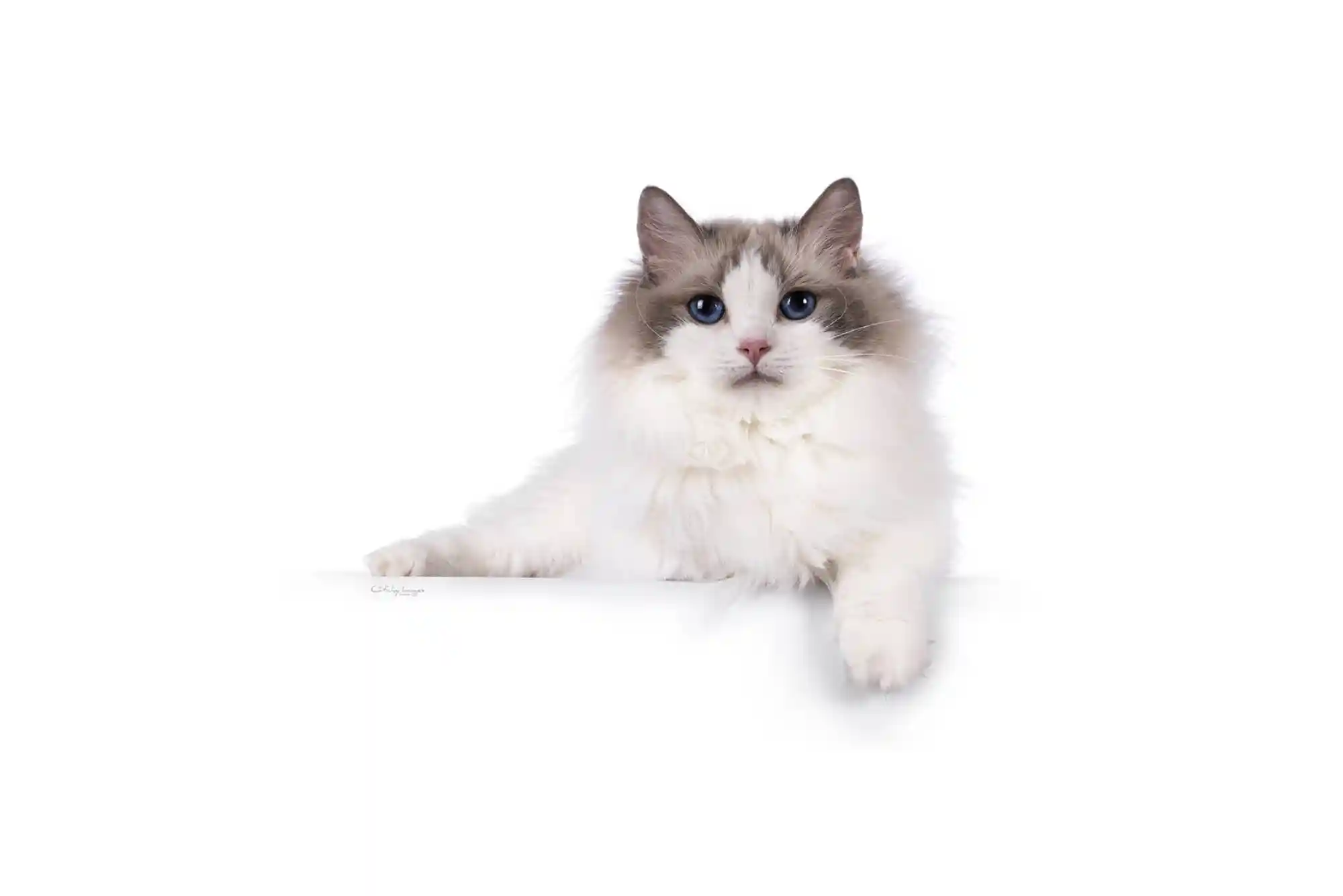
Long-haired breeds such as Persians and Maine Coons generally require more grooming because they have more fur available to swallow. Cats with skin allergies, parasites, infections, or other sources of irritation may also groom excessively, increasing the amount of hair they ingest.
Indoor lifestyle can contribute indirectly. A cat with limited stimulation may groom excessively because of boredom or stress. Environmental changes, conflicts with other pets, and anxiety can also contribute to overgrooming.
How to Recognize a Hairball
A typical hairball may look like a narrow, cylindrical or oval-shaped clump of wet fur. It may also contain stomach fluid, mucus, food, or bile, so not every hairball looks identical.
Before producing a hairball, a cat may become restless, lick its lips, gag, retch, or repeatedly swallow. The abdominal muscles may contract strongly as the cat attempts to vomit.
One important distinction is that cats do not literally cough hairballs out of their lungs. What owners often describe as “coughing up a hairball” is actually gagging and vomiting. Persistent coughing without producing a hairball may have an entirely different cause, including respiratory disease.
If your cat produces an occasional hairball and quickly returns to normal eating, drinking, playing, and toileting, it may not require treatment. However, repeated vomiting should never automatically be blamed on hairballs.
How to Prevent Hairballs in Indoor Cats
The most effective approach is to reduce the amount of loose fur your cat swallows in the first place. Prevention is especially important for long-haired cats, cats that shed heavily, and cats with a history of recurrent hairballs.
Brush Your Cat Regularly
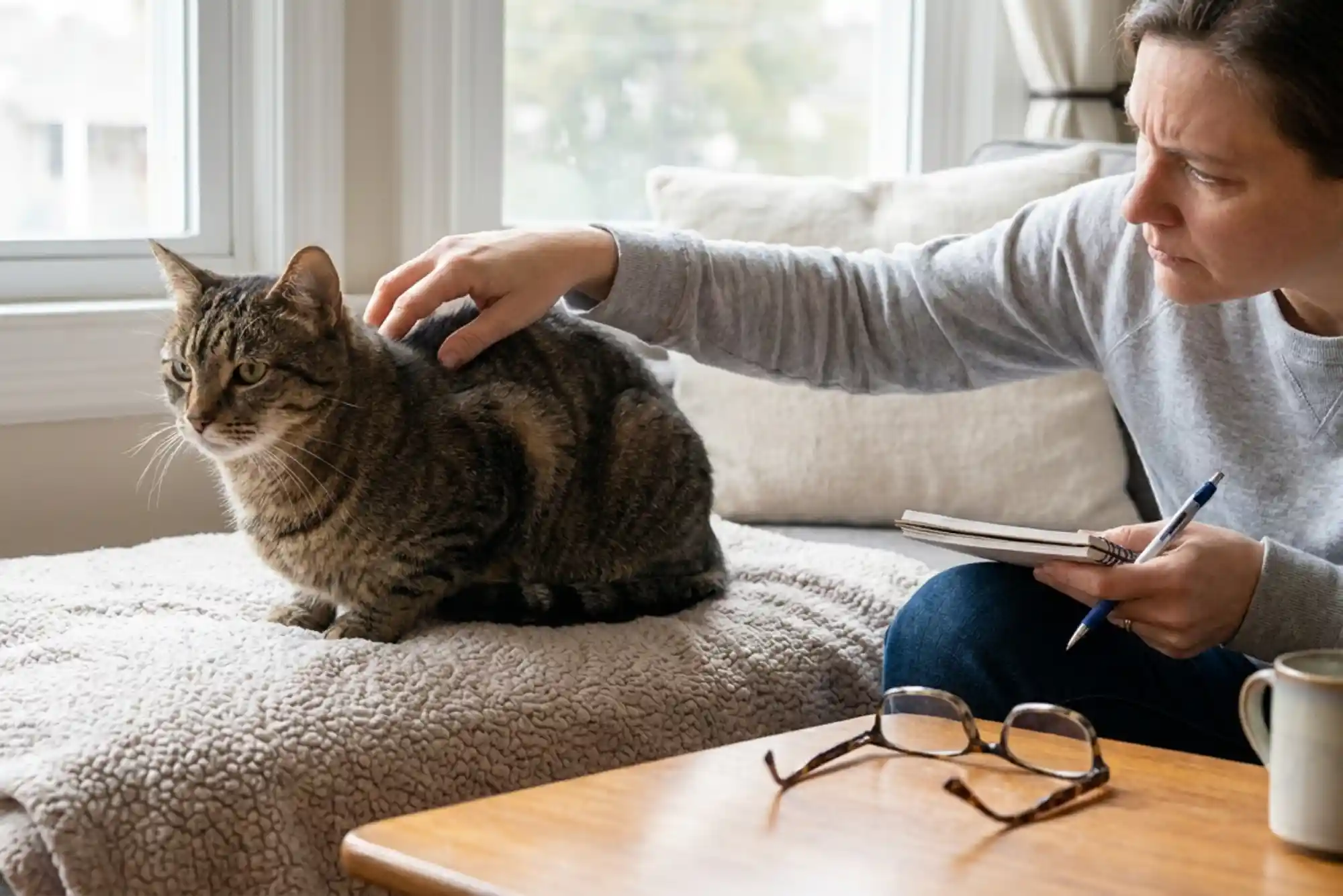
Regular brushing is one of the simplest ways to reduce hairballs in indoor cats. When you remove loose fur from the coat, your cat has less hair available to swallow during grooming.
Short-haired cats may benefit from brushing several times a week, while long-haired cats often need daily grooming. During periods of heavy shedding, daily brushing can be particularly useful.
Choose a brush suited to your cat’s coat and introduce grooming gradually if your cat dislikes being handled. Keep sessions short and reward calm behaviour. Grooming should feel like a routine part of care rather than a stressful struggle.
Cornell’s feline health guidance specifically recommends establishing a daily brushing and combing routine to minimize hairball formation.
Pay Attention to Excessive Grooming
A cat that constantly licks, bites, or pulls at its coat may be dealing with more than normal grooming.
Skin allergies, parasites, infections, pain, stress, and other conditions can trigger excessive grooming. If your cat suddenly begins grooming much more than usual, look for bald patches, redness, scabs, dandruff, or irritated skin.
Treating the reason behind excessive grooming can reduce the amount of fur swallowed and therefore help control recurring hairballs.
Encourage Adequate Hydration
Hydration supports normal digestive function. Cats that naturally drink little may benefit from having fresh water available in several locations.
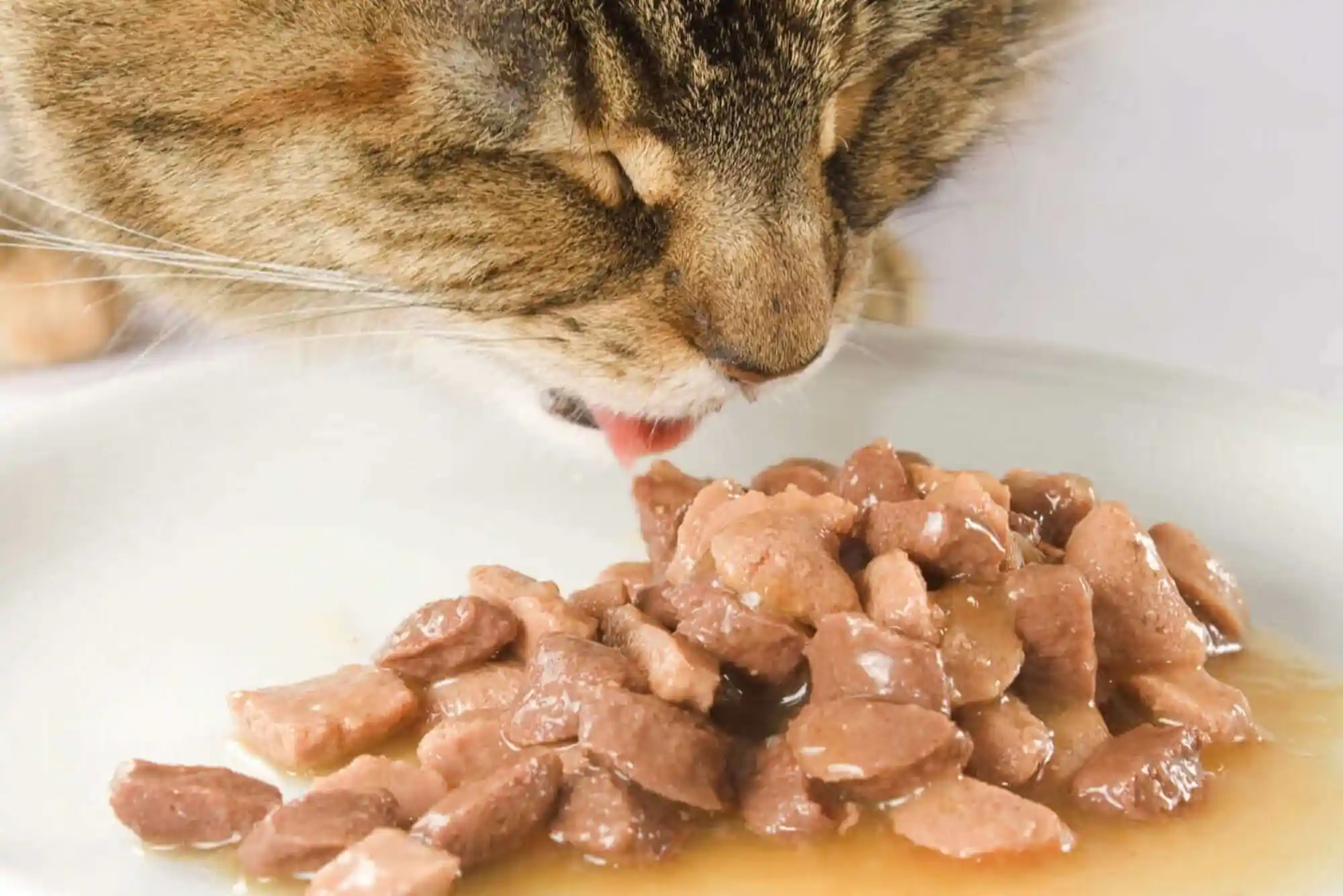
Some cats prefer moving water, so a properly maintained drinking fountain may encourage them to drink. Wet food can also provide substantially more moisture than dry food.
Hydration alone will not eliminate hairballs, but maintaining normal fluid intake is a useful part of supporting healthy gastrointestinal movement. Veterinary guidance also recommends attention to hydration when managing hairball-related digestive problems.
Feed a Complete, Balanced Diet
Nutrition plays an important role in digestive health. Some commercial cat foods are specifically formulated to help manage hairballs and may contain additional dietary fibre intended to support the movement of swallowed hair through the digestive tract.
If your cat has frequent hairballs, speak with your veterinarian before making a major dietary change. A hairball-control diet may be appropriate for some cats, but recurrent vomiting can also have causes that require a different nutritional strategy.
Do not assume that adding human foods or fibre supplements is automatically safe. Cats have different nutritional requirements from people, and unnecessary dietary additions can cause digestive upset or unbalance the diet.
Keep Your Indoor Environment Safe
Hairballs are made from fur, but swallowed foreign objects can create much more serious digestive problems. Indoor cats may have easy access to thread, yarn, ribbons, rubber bands, plastic, dental floss, or small household objects.
These materials can become dangerous if swallowed, particularly string-like objects that can become anchored within the digestive tract.
Keep potentially dangerous objects out of your cat’s reach and supervise play with toys that contain strings or loose components. This is an important part of preventing digestive emergencies that may initially look like a simple hairball problem.
Can Hairball Products Help Cats?
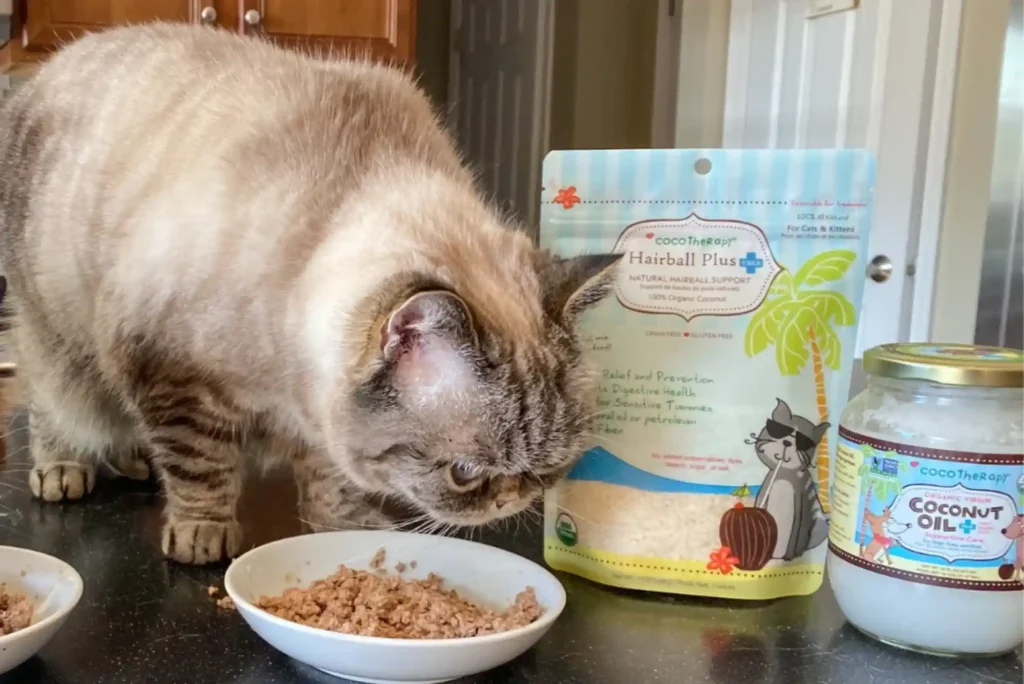
Hairball-control foods, treats, and lubricating gels are widely available. Depending on the product, they may contain fibre or lubricating ingredients intended to help swallowed hair move through the digestive system.
However, “over the counter” does not mean that a product is appropriate for every cat. Veterinary sources recommend discussing digestive lubricants and hairball remedies with a veterinarian, particularly when a cat has recurring vomiting or constipation.
Do not give your cat human laxatives or attempt aggressive home treatment without veterinary guidance. Cornell specifically warns that laxatives should not be given to cats without veterinary approval and supervision.
How to Treat Hairballs in Indoor Cats
For an otherwise healthy cat that occasionally produces a hairball and immediately returns to normal behaviour, treatment may not be necessary. The priority is usually prevention through grooming and maintaining good overall health.
If hairballs become frequent, treatment depends on the underlying reason. A veterinarian may evaluate your cat’s skin, diet, digestive system, hydration, stool quality, and grooming behaviour.
Depending on the situation, your veterinarian may recommend a different diet, a veterinary-approved hairball product, treatment for a skin condition, or investigation of gastrointestinal disease.
Some digestive disorders can interfere with the normal movement of material through the gastrointestinal tract. Conditions such as inflammatory bowel disease and other gastrointestinal problems may cause vomiting that owners incorrectly attribute to hairballs.
This is why repeatedly treating the symptom without investigating the cause is not a good long-term strategy.
For additional information about feline gastrointestinal function, see Feline Digestive Motility.
When Are Hairballs a Veterinary Emergency?
An occasional hairball is usually much less concerning than repeated unsuccessful attempts to vomit.
Contact a veterinarian promptly if your cat repeatedly retches but produces nothing, especially if the behaviour continues or your cat seems uncomfortable. Other concerning signs include loss of appetite, lethargy, repeated vomiting, constipation, diarrhoea, abdominal discomfort, weight loss, or changes in normal behaviour.
A blockage in the gastrointestinal tract can become life-threatening. Hairballs are one possible cause, although foreign objects and other medical conditions can also cause obstruction. Vomiting, lack of appetite, abdominal pain, constipation, and lethargy are among the signs associated with gastrointestinal blockage.
If your cat is repeatedly trying to vomit and nothing is coming up, do not keep waiting for a hairball to appear. Veterinary assessment is the safest option.
Likewise, persistent hacking or coughing should not automatically be treated as a hairball. Respiratory conditions can produce similar-looking episodes, and Cornell notes that repeated unproductive retching may require prompt veterinary attention.
How Often Is Too Often for Hairballs?
There is no single number that applies perfectly to every cat. Some healthy cats occasionally produce hairballs, while others rarely or never vomit one.
What matters is the overall pattern. A sudden increase in hairballs, repeated vomiting, or a change in appetite, weight, stool, energy, or grooming habits deserves attention.
VCA advises contacting a veterinarian when a cat is vomiting hairballs more than once a month.
If your cat has a known history of recurrent hairballs, keeping a simple record of when episodes occur can be useful. Note the frequency, appearance of the material, appetite, bowel movements, grooming behaviour, and any other changes. This information can help your veterinarian determine whether further investigation is appropriate.
Do Indoor Cats Need Special Hairball Care?
Indoor cats do not necessarily develop hairballs simply because they live indoors. However, their environment and daily routine can influence grooming behaviour.
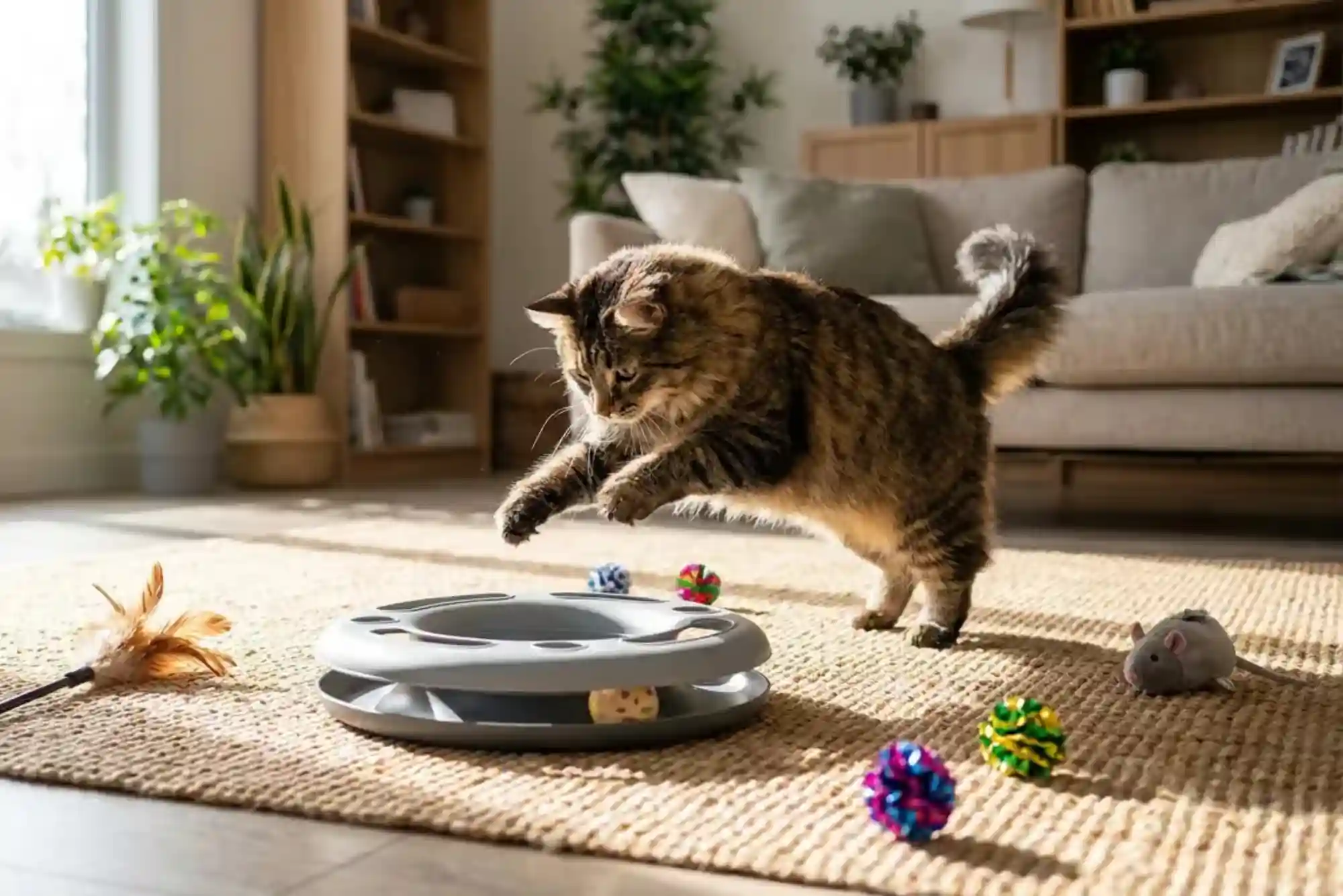
An indoor cat that spends considerable time grooming, has a thick coat, or experiences boredom or stress may swallow more fur. Providing play, climbing opportunities, scratching areas, hiding places, and positive interaction can encourage healthier activity and reduce some forms of stress-related overgrooming.
Regular grooming remains one of the most practical strategies. Instead of waiting until your cat starts producing hairballs, make coat care part of the normal weekly or daily routine.
If you are looking for more general pet information and resources, visit Garlic.
Keeping Hairballs Under Control
Hairballs in indoor cats are often a manageable part of feline ownership, but they should not be ignored when they become frequent or are accompanied by other symptoms. The best prevention strategy starts with something simple: regularly remove loose fur through brushing so your cat has less hair to swallow.
Good hydration, balanced nutrition, environmental enrichment, safe toys, and attention to excessive grooming can provide additional protection. Most importantly, learn your cat’s normal behaviour so you can recognize when something has changed.
If your cat is repeatedly vomiting, retching without producing anything, refusing food, becoming unusually tired, or showing signs of abdominal discomfort, contact a veterinarian rather than assuming the problem is just a hairball.
A consistent grooming routine and early attention to unusual symptoms can make a significant difference to your indoor cat’s comfort and long-term digestive health.
FAQs
How can I help my indoor cat with hairballs?
Start with regular brushing to remove loose fur before your cat can swallow it. Make sure your cat has access to fresh water and is eating a complete, balanced diet. If hairballs are frequent, discuss hairball-control food or veterinary-approved remedies with your veterinarian.
How do I stop my cat from getting hairballs?
You cannot always prevent hairballs completely because grooming is normal feline behaviour. However, regular brushing, appropriate nutrition, hydration, environmental enrichment, and treatment of skin problems can significantly reduce the amount of fur your cat swallows and may reduce recurring episodes.
Can cats poop out hairballs?
Yes. Much of the hair cats swallow passes naturally through the digestive tract and is eliminated in their stool. A cat does not necessarily need to vomit every swallowed strand of fur. However, a large accumulation of hair can sometimes interfere with normal gastrointestinal movement and requires veterinary attention.
What can I give my cat for a hairball?
Do not give your cat human laxatives or unapproved home remedies. Veterinary-approved hairball products or specially formulated diets may be appropriate for some cats, but your veterinarian can advise you on the safest option for your individual pet.
When should I worry about my cat’s hairball?
Be concerned if your cat repeatedly retches without producing a hairball, vomits repeatedly, stops eating, becomes lethargic, develops constipation, appears painful, loses weight, or shows other unusual symptoms. These signs can indicate an obstruction or another medical condition rather than an ordinary hairball.
Do hairballs mean my cat is sick?
Not necessarily. Occasional hairballs can occur in otherwise healthy cats. However, frequent or suddenly increased hairballs can be associated with excessive grooming, skin disease, dietary problems, or gastrointestinal conditions. A veterinarian can help determine whether an underlying issue needs treatment.
Related Reading: How to Stop Cats from Scratching Furniture: Scratching Post Setup
Related Reading: Best Interactive Cat Toys for Bored Indoor Cats (Lasers, Feathers, Mice)