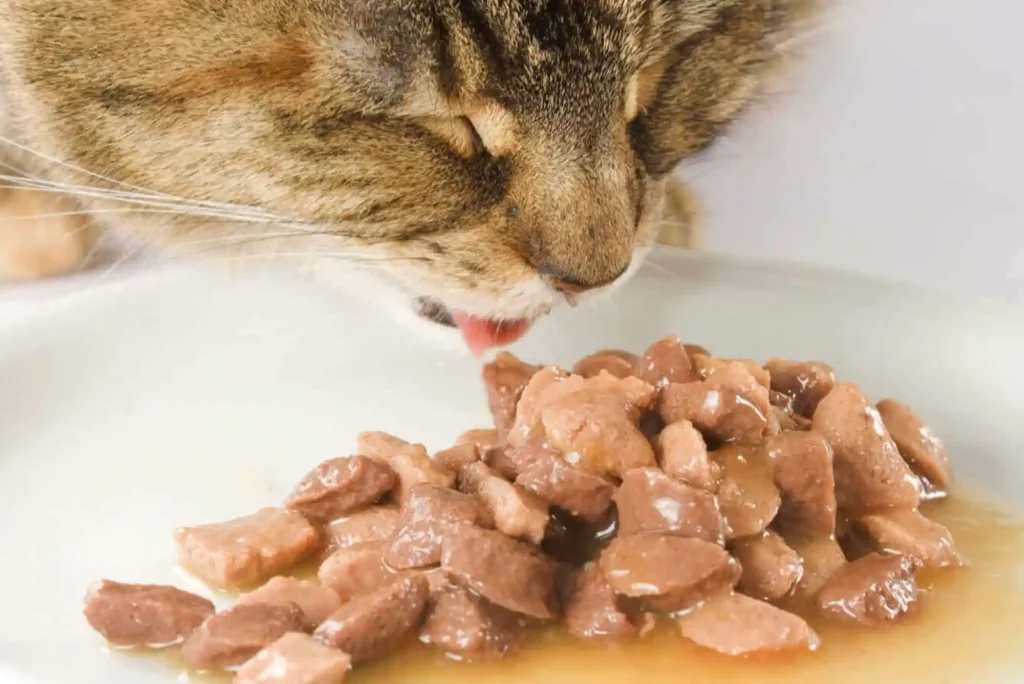
Introduction
Choosing the right diet for your feline companion is one of the most significant decisions you will make as a cat owner. Every pet parent wants their cat to live a long, vibrant, and healthy life. When you walk down the pet food aisle, you face an overwhelming array of choices, but the foundational question always comes down to wet vs dry cat food: which is better for feline longevity?
Nutrition directly impacts your cat’s lifespan, kidney function, body weight, and energy levels. While both canned and kibble options offer essential nutrients, their physical properties and hydration levels affect feline biology in vastly different ways. Cats are obligate carnivores with unique metabolic needs that evolved in arid desert environments.
Understanding how wet vs dry cat food affects feline longevity requires examining feline hydration, digestion, dental health, and chronic disease prevention. This comprehensive guide explores the science behind feline nutrition to help you select the optimal diet for your cat’s long-term health.
Understanding the Biological Needs of Obligate Carnivores
To understand which diet promotes longevity, you must first look at the biological design of domestic cats. Descended from the African wildcat, domestic cats are strict obligate carnivores. This means their bodies require animal proteins and fats to thrive, and they have very limited biological use for carbohydrates.
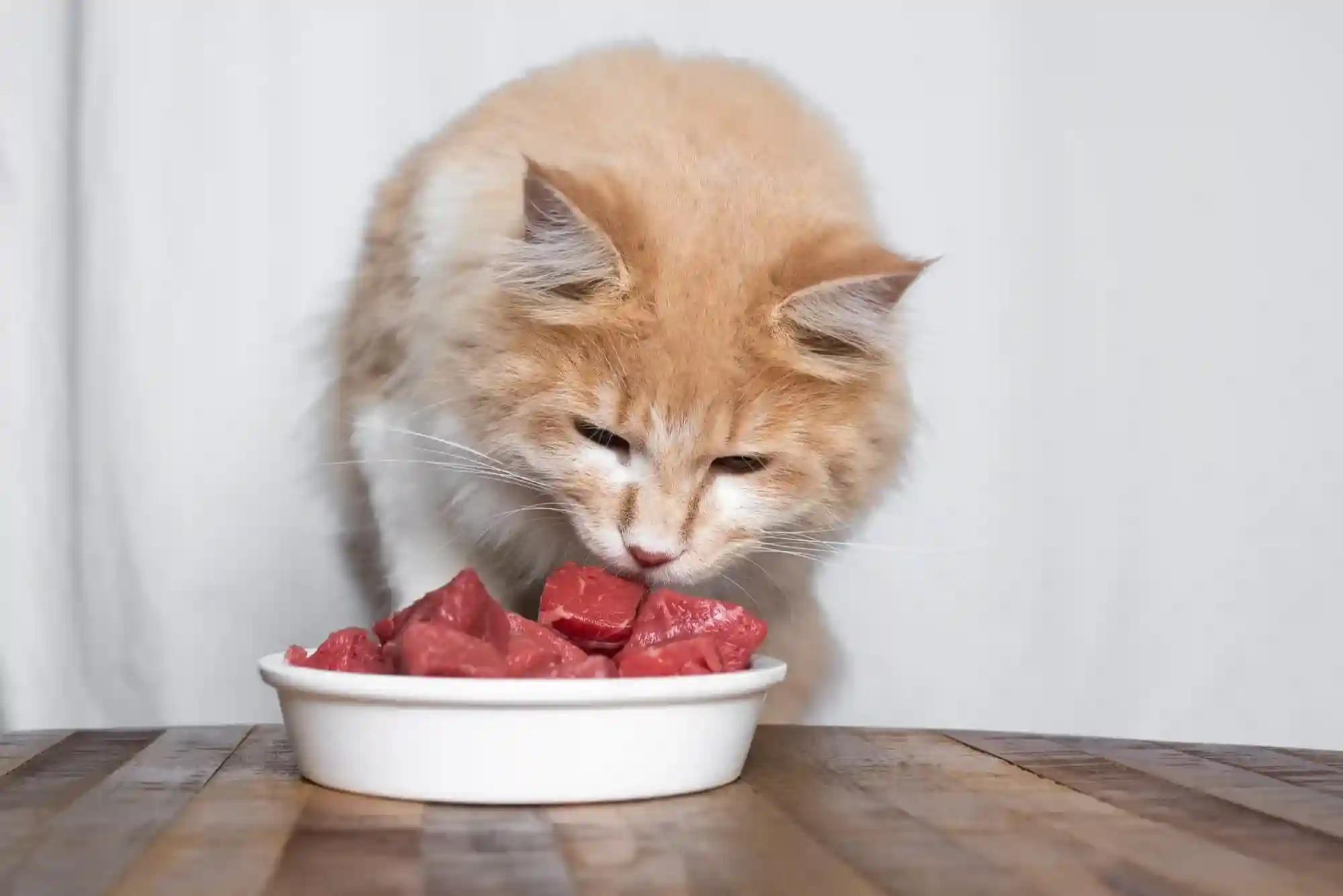
In the wild, cats hunt small prey like rodents, birds, and insects. These natural prey items consist primarily of moisture, high quality protein, and moderate fat, with minimal carbohydrates. Wild prey typically contains around seventy percent water, which means ancestral cats obtained most of their hydration directly from their food rather than drinking water from external sources.
The Hydration Factor and Kidney Health in Senior Cats
Hydration is arguably the single most critical factor when evaluating wet vs dry cat food: which is better for feline longevity? Chronic kidney disease and lower urinary tract issues are among the leading causes of death in aging domestic cats. Keeping your cat well-hydrated throughout its life protects kidney function and reduces the risk of dangerous urinary crystals and blockages.


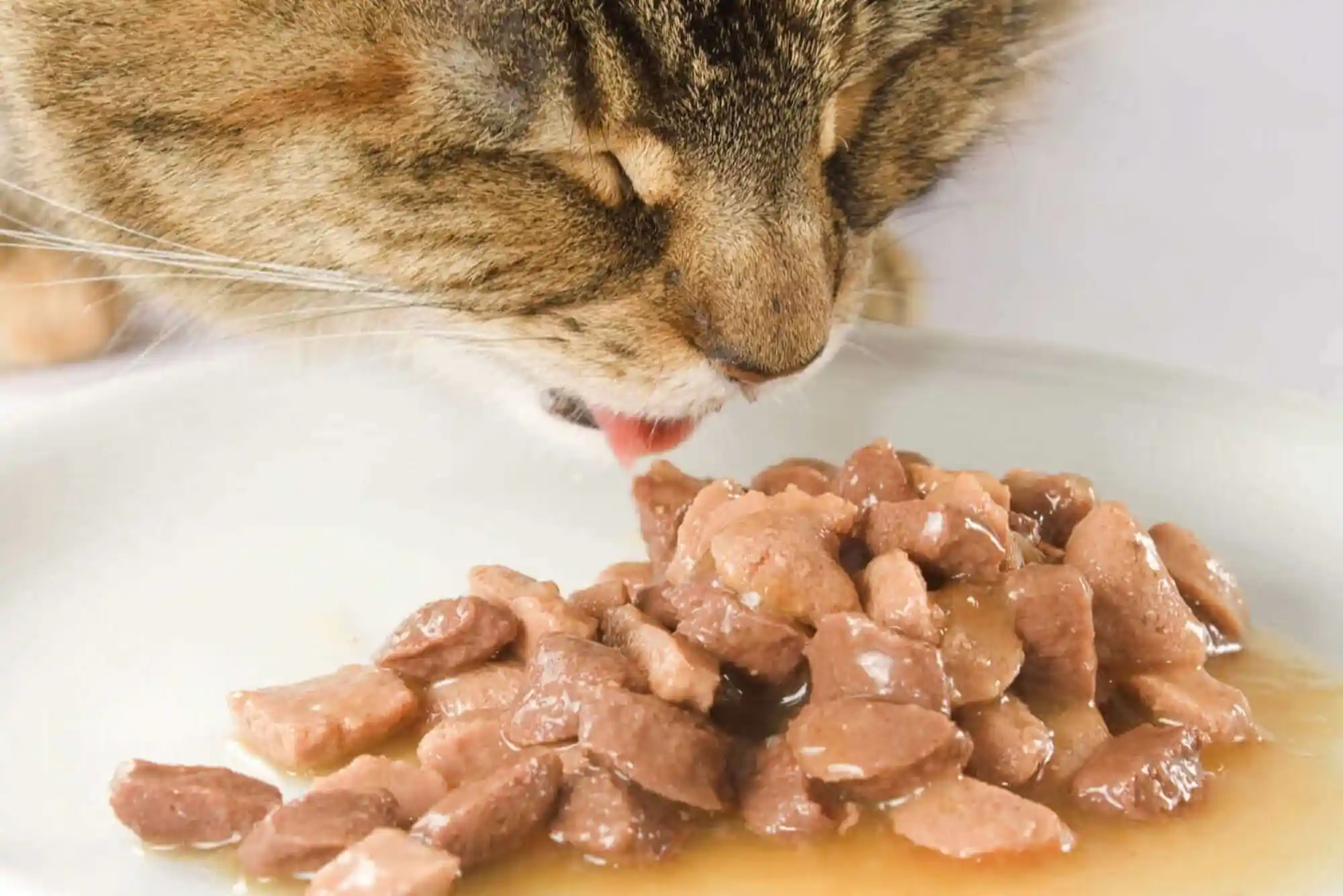
Dry cat food typically contains only ten percent moisture, whereas canned wet food contains approximately seventy-five to eighty percent moisture. Because cats have a low thirst drive, a cat eating exclusively dry kibble rarely drinks enough water from a bowl to compensate for the moisture missing from its diet.
Protein Quality, Carbohydrates, and Feline Obesity
Obesity is a major threat to feline longevity, shortening lifespans and increasing the risk of diabetes, joint problems, and hepatic lipidosis. Managing your cat’s weight depends heavily on the nutrient composition of their daily meals.
Dry kibble requires a high starch content to hold its shape during high-heat manufacturing. As a result, dry cat food often contains significantly higher levels of carbohydrates from grains, peas, or potatoes. Because cats lack high levels of salivary and intestinal enzymes to process carbohydrates, excess carbs are frequently converted directly into body fat.
The Myth and Reality of Dental Health with Kibble
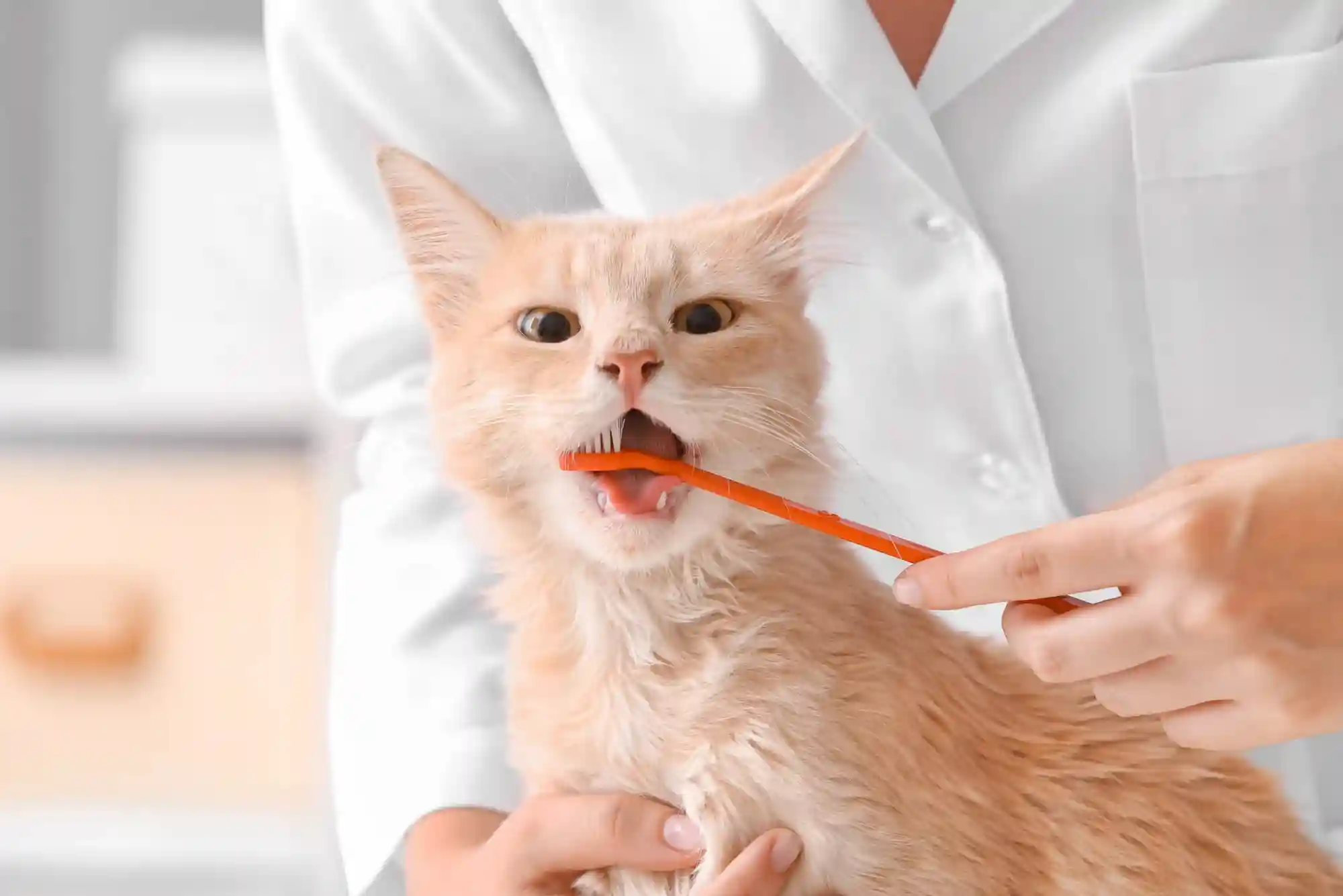
For decades, a common belief among pet owners was that dry kibble cleans a cat’s teeth through mechanical scraping. Many assumed that choosing dry food automatically protected against dental disease, a common issue in senior cats that can cause systemic organ damage.
Modern veterinary dentistry has largely debunked this widespread myth. Most commercial kibble pieces are small and brittle, shattering immediately upon contact with a cat’s teeth without providing meaningful scraping action along the gumline. Furthermore, the high carbohydrate content of many dry foods can leave behind starchy residues that promote plaque buildup and bacterial growth.
Cost, Convenience, and Food Quality Considerations
While nutritional science often favors wet food for hydration and weight management, dry cat food offers distinct practical advantages for many households. Convenience, shelf life, and affordability play significant roles in how owners care for their pets over many years.
Dry food can be left out in automatic feeders or foraging puzzles without spoiling quickly, making it ideal for busy schedules or long workdays. It is also generally more budget-friendly per serving, allowing owners to purchase higher-quality ingredients within their budget.
Finding the Balance: Is a Mixed Diet the Best Choice?
You do not always have to choose exclusively between wet and dry cat food. Many veterinarians recommend a combination approach that leverages the key benefits of both options while accommodating your lifestyle and budget.
Feeding wet food once or twice daily ensures your cat receives vital dietary hydration and protein, while offering a measured portion of high-quality dry food provides convenience and caloric consistency. This mixed feeding method allows cats to enjoy textual variety while maintaining consistent fluid intake.
Frequently Asked Questions
Can cats live a long life on dry food only?
Yes, many cats live long and healthy lives on an exclusively dry food diet. However, cats on dry diets require extra encouragement to drink water, such as fresh water fountains, to support kidney and urinary tract health throughout their lives.
Is wet cat food better for senior cats?
Wet cat food is often ideal for senior cats because it provides essential hydration that protects aging kidneys. It is also easier to chew for cats with dental disease or missing teeth and often features stronger aromas that entice older cats with declining appetites.
How often should I feed my cat wet food?
Many veterinarians recommend offering wet food at least once daily to ensure consistent hydration. You can feed wet food as a complete daily meal or mix it with kibble based on your cat’s specific dietary goals and your routine.
Does wet cat food cause diarrhea or digestive issues?
Wet food itself does not cause digestive upset, but sudden changes in diet can trigger diarrhea or vomiting. Always transition your cat to a new wet food gradually over seven to ten days by mixing increasing amounts of the new food into their current diet.
How long can wet cat food sit out in a bowl?
Canned wet food should not sit out at room temperature for longer than two hours. Bacteria grow rapidly on open wet food, so discard any uneaten canned portions after two hours to keep your cat safe from foodborne illness.
Conclusion
When evaluating wet vs dry cat food: which is better for feline longevity, wet cat food holds a distinct nutritional advantage for most cats. Its high moisture content directly supports kidney function, reduces urinary tract risks, and helps prevent obesity through high-protein, low-carbohydrate formulations.